
Calcium Deficiency: 7 Signs That Need a Blood Test
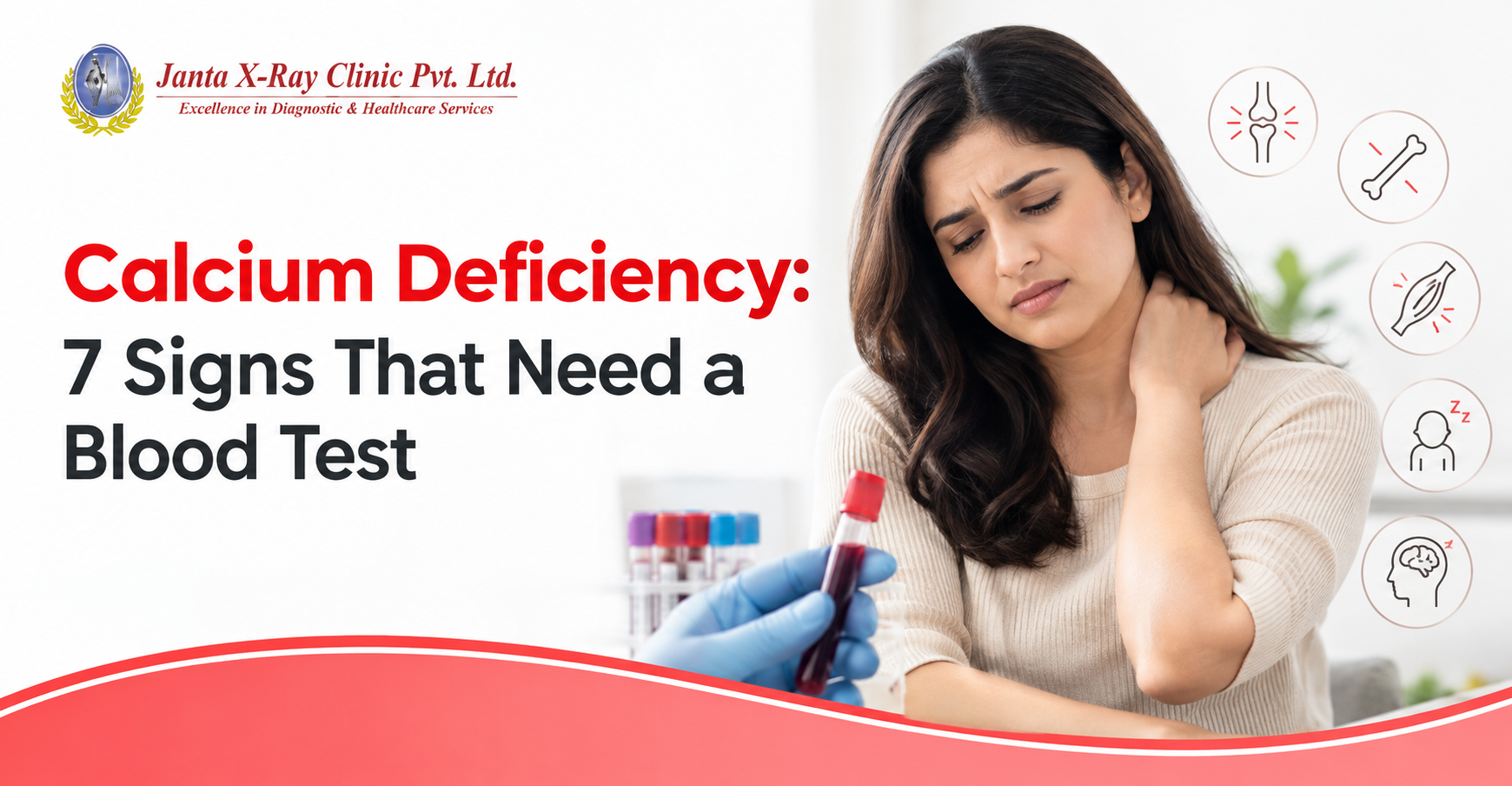
Calcium deficiency is often associated with weak bones, but the body can give other signals too. Muscle cramps, tingling, stiffness and weakness can occur when blood calcium levels are low, although these symptoms can have several other causes as well.
That is why noticing symptoms is only the first step. If a doctor suspects a calcium imbalance, a calcium blood test can help check the calcium level in your blood and guide further evaluation.
Why is calcium even more important than just for your bones?
Most of the body's calcium is stored in the bones and teeth, where it helps maintain their structure. But calcium is also needed for muscle contraction, nerve signalling, blood clotting and normal heart function.
This is why calcium deficiency may not always feel like a “bone problem”. Changes in calcium levels can affect muscles and nerves as well.
At the same time, having a symptom does not automatically mean you have calcium deficiency. Blood calcium can be affected by several health conditions, including problems involving the kidneys, parathyroid glands, vitamin D, magnesium or nutrient absorption.
7 signs that your body's calcium levels might be low.
Some symptoms are easy to dismiss because they can occur with many everyday health problems. When several appear together or persist, it may be worth discussing them with a doctor.
1. Frequent muscle cramps
Repeated cramps or spasms can occur with low calcium levels.
2. Muscle stiffness or twitching
Low calcium can increase neuromuscular irritability, leading to stiffness, spasms or twitching.
3. Tingling or numbness
A prickling or tingling sensation around the lips, tongue, fingers or feet can occur with low calcium.
4. Muscle weakness
Unexplained weakness may sometimes accompany abnormal calcium levels, although it is not specific to calcium deficiency.
5. Brittle nails or changes in hair and skin
Long-standing low calcium levels can sometimes be associated with brittle nails, coarse hair or dry skin.
6. Bone-related concerns
Inadequate calcium intake over time can contribute to problems with bone health. However, a calcium blood test does not directly measure how much calcium is stored in your bones.
7. Abnormal heartbeat in severe cases
Significantly low calcium can affect the heart's rhythm. This is a more serious symptom and requires medical attention rather than self-treatment.
What can cause low calcium levels?
A low calcium result does not always mean that someone simply isn't eating enough calcium.
Possible causes include vitamin D deficiency, low magnesium, kidney disease, problems with the parathyroid glands, malabsorption, low blood protein levels and certain other medical conditions.
This is why taking calcium supplements based only on symptoms is not a good way to determine the cause.
For some people, the issue may be related to how the body absorbs, stores or regulates calcium rather than calcium intake alone.
Women after menopause can also have increased concern around bone health because hormonal changes can affect calcium balance and bone loss.
How Is Calcium Deficiency Checked?
A calcium test is usually performed using a blood sample. The most common test measures total calcium, while an ionized calcium test measures the calcium that is not attached to proteins in the blood.
If calcium levels are abnormal, a doctor may recommend additional tests depending on the patient's symptoms and medical history. These can include vitamin D, magnesium, phosphorus or parathyroid hormone (PTH) testing.
One important distinction is that a calcium blood test does not tell you how much calcium is present in your bones. When bone mineral density needs to be assessed, a DEXA/BMD scan may be recommended separately.
When Should You Consider a Calcium Test?
A calcium test may be considered when symptoms suggest an abnormal calcium level or when a person has a condition that can affect calcium balance.
It can also be part of broader medical evaluation when there are concerns involving the kidneys, bones, thyroid/parathyroid glands, vitamin D or nutrient absorption.
Don't use a single symptom to diagnose calcium deficiency yourself. The test result needs to be interpreted alongside your medical history, symptoms and, where required, other investigations.
Janta X-Ray provides pathology and diagnostic testing services, with its laboratory services covering biochemistry and other areas of diagnostic testing. Its listed test services also include urine calcium testing, while its health-check packages include vitamin D testing.
Don’t Ignore These Signs of Low Calcium
Cramps, weakness, tingling or bone concerns can make you wonder whether you have a calcium deficiency. But these symptoms can have multiple causes, so guessing from symptoms alone can lead you in the wrong direction.
A calcium blood test can help determine whether the calcium level in your blood is within the laboratory's reference range. If the result is abnormal, your doctor can decide whether additional tests are needed to identify the underlying reason.
For persistent symptoms or concerns about bone and mineral health, getting the right investigation is more useful than starting supplements without medical advice.
FAQs
What are the common symptoms of calcium deficiency?
Muscle cramps, spasms, stiffness, tingling or numbness can occur with low blood calcium. Severe cases may affect heart rhythm. These symptoms are not specific to calcium deficiency.
Which test checks calcium levels in the blood?
A calcium blood test measures the amount of calcium in your blood. It may measure total calcium or, in selected situations, ionized calcium.
Does low calcium always mean calcium deficiency?
No. Low blood calcium can have several causes, including vitamin D or magnesium deficiency, kidney problems, parathyroid disorders and other conditions.
Can a calcium blood test check bone strength?
No. A calcium blood test measures calcium in the blood. Bone mineral density is assessed separately, commonly with a DEXA/BMD scan.
Should I take calcium supplements if I have these symptoms?
Not without discussing them with a healthcare professional. The symptoms can have different causes, and the appropriate treatment depends on what is causing the abnormality.



1.png)

2.jpg)

.jpg)
1.jpg)
Comments List