
World Diabetes Day: 5 Important Blood Tests to Check Your Blood Sugar Levels
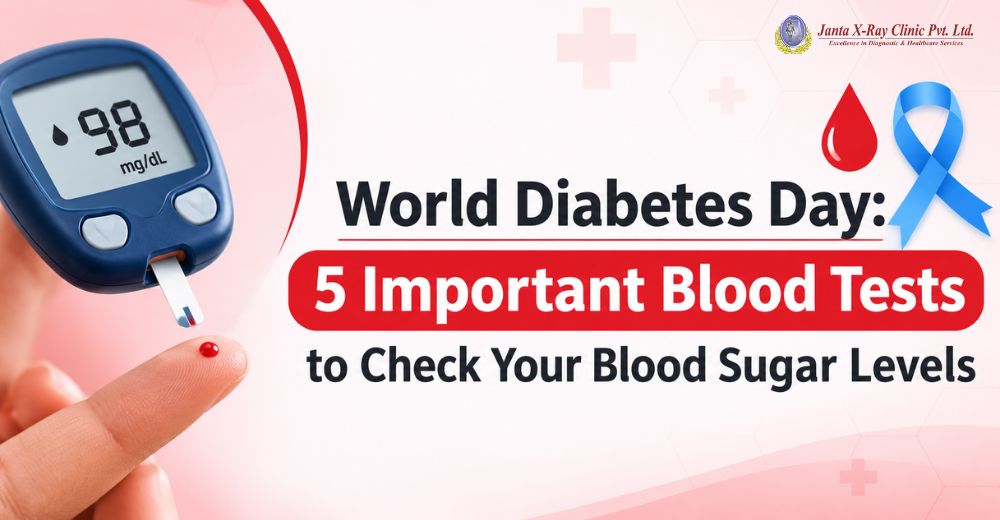
Diabetes affects millions of people and is a growing health concern in India. It occurs when the body does not produce enough insulin or cannot use insulin properly. As a result, glucose builds up in the bloodstream instead of being used by the body's cells for energy.
One of the challenges with Type 2 diabetes is that it may develop without noticeable symptoms. Some people may have high blood sugar levels for months or even years without knowing it.
World Diabetes Day, observed on 14 November every year, highlights the importance of understanding diabetes, its causes, symptoms and management. Blood tests play an important role in checking glucose levels, diagnosing diabetes and monitoring people who are already living with the condition.
Let's look at five commonly recommended blood tests for diabetes and what their results mean.
Why Are Blood Tests Important for Diabetes?
Blood tests help doctors understand how much glucose is present in the blood. They can also show whether blood sugar levels are within the normal range, fall into the prediabetes range or meet the criteria for diabetes.
Regular blood testing is useful for:
- Checking blood glucose levels.
- Finding out whether a person has prediabetes or diabetes.
- Monitoring blood sugar control in people with diabetes.
- Understanding how well a treatment plan is working.
- Helping doctors decide whether any changes in treatment are needed.
People with a family history of diabetes, excess body weight, physical inactivity or other risk factors should discuss diabetes testing with their doctor.
5 Important Blood Tests for Diabetes
Different blood tests provide different information about blood glucose levels. Your doctor may recommend one or more of the following tests based on your symptoms, medical history and health condition.
1. Fasting Blood Sugar (FBS) Test
The Fasting Blood Sugar test measures glucose levels after a person has avoided food and calorie-containing drinks for at least eight hours. Plain water is generally allowed.
It is one of the commonly used tests for checking diabetes and prediabetes.
Fasting Blood Sugar Levels:
- Normal: Below 100 mg/dL
- Prediabetes: 100–125 mg/dL
- Diabetes: 126 mg/dL or higher
A fasting blood sugar result of 126 mg/dL or above may indicate diabetes. In people without clear symptoms, the result usually needs confirmation through repeat or additional testing.
2. Postprandial Blood Sugar (PPBS) Test
The Postprandial Blood Sugar test measures glucose levels approximately two hours after starting a meal.
After eating, blood glucose naturally increases. The body releases insulin to help move glucose from the bloodstream into the cells. This test helps doctors understand how the body manages blood sugar after food intake.
It is commonly recommended for people who need to monitor their glucose levels after meals.
The results should be interpreted according to the type of meal, timing of the sample and the individual's medical condition. PPBS values should not be interpreted using the diagnostic cut-offs for an Oral Glucose Tolerance Test.
3. HbA1c Test (Glycated Haemoglobin)
The HbA1c test measures the percentage of haemoglobin in red blood cells that has glucose attached to it.
Since red blood cells generally survive for around three months, this test gives an estimate of average blood glucose levels over the previous two to three months.
HbA1c Levels:
- Normal: Below 5.7%
- Prediabetes: 5.7%–6.4%
- Diabetes: 6.5% or higher
One advantage of the HbA1c test is that fasting is generally not required.
Doctors commonly recommend this test to diagnose diabetes and monitor blood sugar control in people who have already been diagnosed.
However, conditions such as certain types of anaemia, recent blood loss and some haemoglobin disorders can affect HbA1c results. Your doctor may recommend another test if these conditions are present.
4. Oral Glucose Tolerance Test (OGTT)
The Oral Glucose Tolerance Test checks how the body processes glucose after drinking a glucose solution.
For the standard 75-gram test, a fasting blood sample is collected first. The person then drinks a solution containing 75 grams of glucose. Another blood sample is collected two hours later.
Two-Hour OGTT Results:
- Normal: Below 140 mg/dL
- Prediabetes: 140–199 mg/dL
- Diabetes: 200 mg/dL or higher
This test is used to diagnose diabetes in certain situations. It is also an important investigation for gestational diabetes during pregnancy, although pregnancy-specific testing protocols may differ.
5. Random Blood Sugar (RBS) Test
The Random Blood Sugar test measures glucose levels at any time of the day, regardless of when the person last ate.
It is often recommended when someone has symptoms such as:
- Frequent urination.
- Increased thirst.
- Unexplained weight loss.
- Excessive hunger.
- Unusual tiredness.
- Blurred vision.
A random plasma glucose level of 200 mg/dL or higher, along with typical symptoms of diabetes, can meet the diagnostic criteria for diabetes. Medical assessment is still necessary.
What Are the Common Symptoms of Diabetes?
Diabetes does not always cause noticeable symptoms, particularly during the initial stages. However, some common symptoms include:
- Feeling thirsty more often than usual.
- Passing urine frequently.
- Feeling hungry even after eating.
- Unexplained weight loss.
- Blurred vision.
- Persistent tiredness.
- Cuts and wounds that take longer to heal.
- Frequent infections.
If you experience these symptoms, consult a doctor. Do not wait for symptoms to become severe before getting your blood sugar levels checked.
How to Prepare for a Diabetes Blood Test?
Preparation depends on the type of test being performed.
Here are some basic instructions:
- Fasting Blood Sugar: Avoid food and calorie-containing drinks for at least eight hours before the test. Plain water is generally permitted.
- Postprandial Blood Sugar: Follow the laboratory's instructions about meal timing and sample collection.
- HbA1c: Fasting is generally not required.
- Oral Glucose Tolerance Test: Follow the prescribed fasting period and instructions provided by the healthcare professional.
- Medications: Inform your doctor about any medicines you take. Do not stop prescribed medication without medical advice.
Following the correct instructions helps ensure that your test results can be interpreted properly.
How Often Should You Check Your Blood Sugar?
The frequency of diabetes testing depends on age, risk factors, previous test results and medical history.
People with prediabetes may need testing at least once a year, depending on their doctor's advice.
For people diagnosed with diabetes, monitoring frequency depends on their treatment plan. Some may need regular home glucose monitoring, while others may require periodic HbA1c testing.
Your doctor can recommend a testing schedule based on your individual needs.
Diabetes Blood Tests at Janta X-Ray Clinic
Janta X-Ray Clinic Pvt. Ltd. provides diagnostic and laboratory services, including blood investigations used in routine health assessments.
For people who need to check their blood glucose levels, appropriate laboratory tests can help doctors assess their condition and monitor diabetes management.
Janta X-Ray Clinic has been providing diagnostic services since 1978 and offers pathology services along with radiology and other diagnostic investigations.
Patients can contact the clinic to enquire about available blood sugar tests, diabetic health packages and home sample collection facilities.
Contact Janta X-Ray Clinic
- Address: 4A/16, Block 4A, Tilak Nagar, New Delhi – 110018
- Phone: 011-4911-4911
- Website: https://www.jantaxray.in/
Conclusion
Blood tests are an important part of diabetes diagnosis and management. Fasting Blood Sugar, PPBS, HbA1c, OGTT and Random Blood Sugar tests provide different information about glucose levels in the body.
On World Diabetes Day, take some time to understand your blood sugar levels and discuss any concerns with your doctor. If you have risk factors or have not checked your glucose levels for a long time, ask whether a diabetes blood test is appropriate for you.
Regular monitoring, suitable medical treatment and healthy daily habits can help people manage diabetes and reduce the risk of complications.
Frequently Asked Questions (FAQs)
1. Which blood test is best for checking diabetes?
Fasting Blood Sugar, HbA1c and Oral Glucose Tolerance Tests are commonly used to diagnose diabetes. The choice depends on the person's medical history and the doctor's recommendation.
2. What is the normal fasting blood sugar level?
A fasting blood sugar level below 100 mg/dL is generally considered normal. Levels between 100 and 125 mg/dL indicate prediabetes, while 126 mg/dL or higher falls within the diabetes range.
3. Does the HbA1c test require fasting?
No. Fasting is generally not required for an HbA1c test. It measures average blood glucose levels over approximately the previous two to three months.
4. What is the difference between FBS and PPBS?
FBS measures blood glucose after at least eight hours of fasting. PPBS measures glucose approximately two hours after starting a meal. Both tests provide different information about blood sugar levels.
5. Can diabetes be present without symptoms?
Yes. Type 2 diabetes may develop without noticeable symptoms. Some people discover that they have diabetes during routine blood testing.
6. How often should HbA1c be tested?
People with diabetes generally need an HbA1c test at least twice a year. Doctors may recommend testing every three months if blood sugar levels are not within the target range or treatment has changed.
7. Can a blood test detect prediabetes?
Yes. Fasting Blood Sugar, HbA1c and Oral Glucose Tolerance Tests can identify prediabetes. These results help doctors assess blood sugar levels and recommend suitable lifestyle changes.
8. Where can I get a diabetes blood test in Delhi?
You can contact Janta X-Ray Clinic in Tilak Nagar, New Delhi, to enquire about available diabetes blood tests and laboratory services. Call 011-4911-4911 for further information.








Comments List