
National Cancer Awareness Day and India's Fight Against Cancer
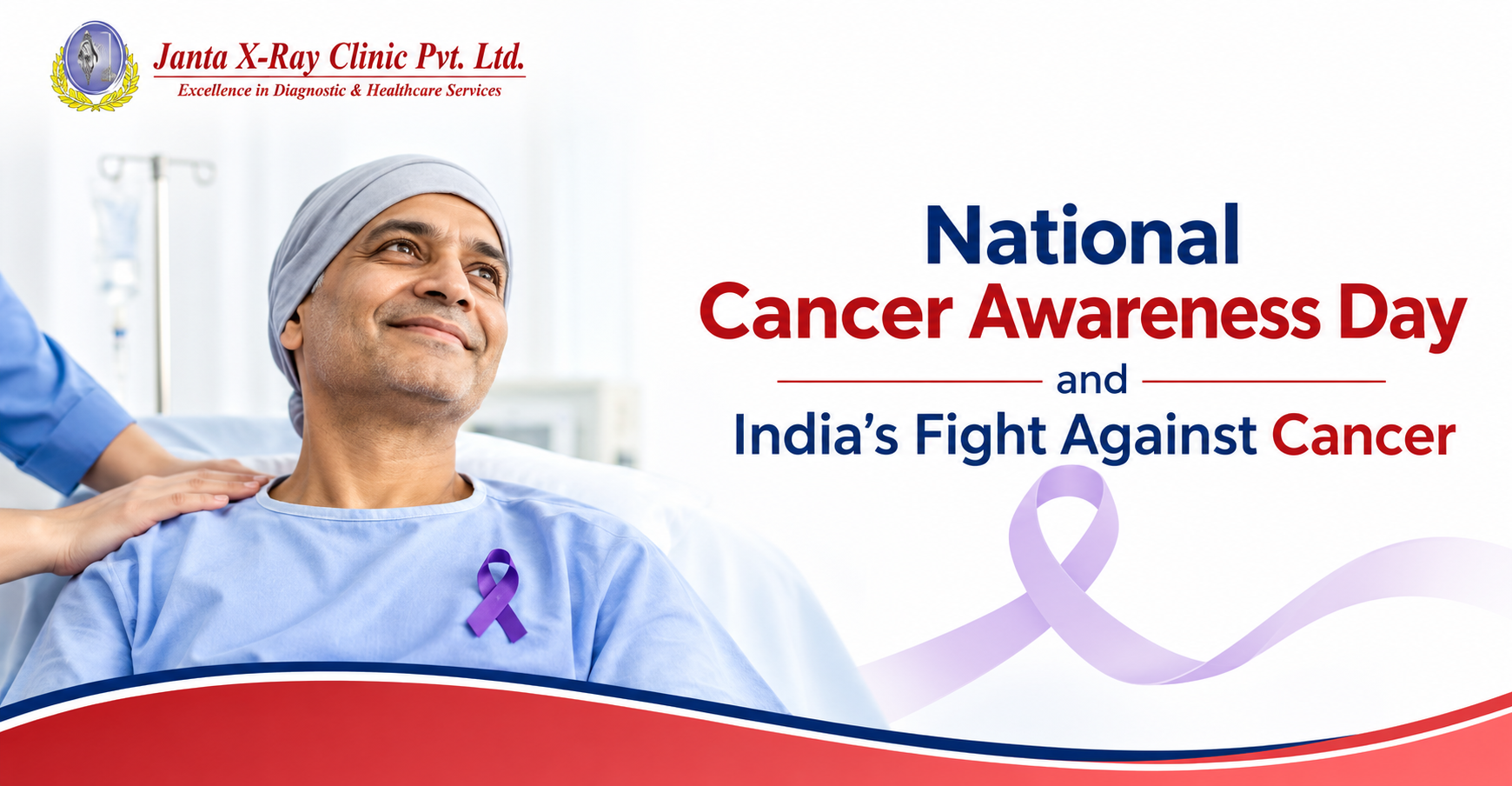
Cancer affects individuals and families across India, often progressing silently in its early stages. Although medical science has made remarkable progress in cancer treatment, many people still reach a hospital only after the disease has advanced, when treatment becomes longer, more difficult, and less effective.
National Cancer Awareness Day, observed every year on 7 November, reminds us that cancer awareness, timely cancer diagnosis tests, and regular screening can change this pattern. This day is not meant to create fear. It is meant to encourage action through early consultation, the right cancer screening tests, and informed health choices.
At Janta X Ray Clinic, we believe that accessible diagnostic services and timely imaging help people take the first step toward answers.
Why National Cancer Awareness Day Is Observed
National Cancer Awareness Day is observed in India on 7 November to promote cancer prevention, early detection, and timely medical consultation. The date marks the birth anniversary of Madame Marie Curie, whose discovery of radium and polonium contributed to radiation based cancer diagnosis and treatment.
The day encourages people to prioritise preventive health check-ups and speak openly about cancer symptoms, screening, and treatment. Across the country, hospitals, diagnostic centres, and community groups organise cancer awareness campaigns and screening camps so that people understand the value of acting early.
Why Cancer Awareness Matters in India
Delayed diagnosis remains one of the biggest challenges in cancer care. Many early symptoms are mild, painless, or mistaken for everyday health problems, which leads people to postpone medical consultation.
Awareness helps people understand that a symptom does not automatically mean cancer. It simply means that the body needs to be checked. A timely consultation allows a doctor to decide whether an X ray, blood test, ultrasound, CT scan, or other cancer diagnosis test is required.
Importance of Early Detection and Regular Screening
Cancer detected early is often easier to treat, and treatment may be less extensive than treatment required for advanced disease. Regular screening can identify abnormal changes before symptoms appear, giving doctors more time to act.
-
Better treatment outcomes: Early identification improves the chances of successful treatment before cancer spreads.
-
Less intensive treatment: Early stage cancer may require simpler treatment than advanced disease.
-
Lower financial and emotional burden: Timely diagnosis can reduce the cost and stress associated with prolonged cancer care.
-
Better treatment planning: Screening and diagnostic imaging help doctors decide the next appropriate step.
-
Healthier family habits: Regular check-ups encourage families to prioritise preventive healthcare.
Screening is especially important for people who use tobacco, consume alcohol regularly, have a family history of cancer, are overweight, or have long term exposure to environmental or occupational risks. A cancer screening test is not a diagnosis. It is a medical assessment that helps doctors decide whether further investigation is needed.
Cancer Symptoms That Need Timely Medical Attention
Cancer symptoms differ depending on the part of the body affected. However, certain persistent changes should not be ignored, especially when they continue for more than two or three weeks.
-
New lump or swelling: Any unexplained lump in the breast, neck, armpit, or elsewhere should be assessed by a doctor.
-
Unexplained weight loss: Sudden weight loss without a change in diet or activity may require medical evaluation.
-
Persistent cough or breathlessness: A cough that does not improve, especially with chest discomfort, should not be ignored.
-
Changes in bowel or bladder habits: Long lasting changes in digestion, urination, or bowel movement need timely assessment.
-
Unexplained bleeding: Bleeding without a clear cause should always be checked by a doctor.
-
Non healing mouth ulcers: Mouth sores that do not heal, particularly in people who use tobacco, require evaluation.
-
Skin or mole changes: A mole that changes in size, shape, or colour should be examined promptly.
These symptoms can occur due to infections, hormonal changes, digestive problems, or other non cancerous conditions. Still, any symptom that is unusual, persistent, or worsening should be assessed by a doctor.
Cancer Screening Tests That Support Early Diagnosis
Cancer screening tests help detect abnormalities before they cause noticeable symptoms. The right test depends on a person’s age, sex, medical history, family history, and lifestyle risk factors.
-
Mammography: Helps detect early signs of breast cancer, sometimes before a lump can be felt.
-
Pap smear and HPV test: Help identify abnormal cervical cells and HPV infection that can lead to cervical cancer.
-
Colonoscopy: Helps detect polyps or early signs of colorectal cancer.
-
Oral examination: Helps identify early mouth lesions, particularly in people who use tobacco or alcohol.
-
Low dose CT scan: May be recommended for lung cancer screening in high risk individuals.
-
X ray, ultrasound, CT scan, MRI, whole body PET CT scan, or biopsy: May be advised when symptoms or initial findings require further assessment.
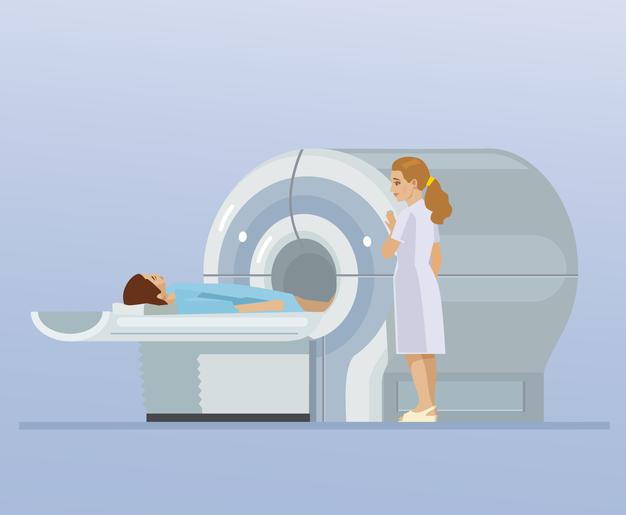
At a diagnostic centre, imaging tests help doctors examine internal organs, identify abnormal growths, and assess the extent of a suspected condition. Screening should always be based on medical advice rather than chosen randomly.
Role of Diagnostic Imaging in the Fight Against Cancer
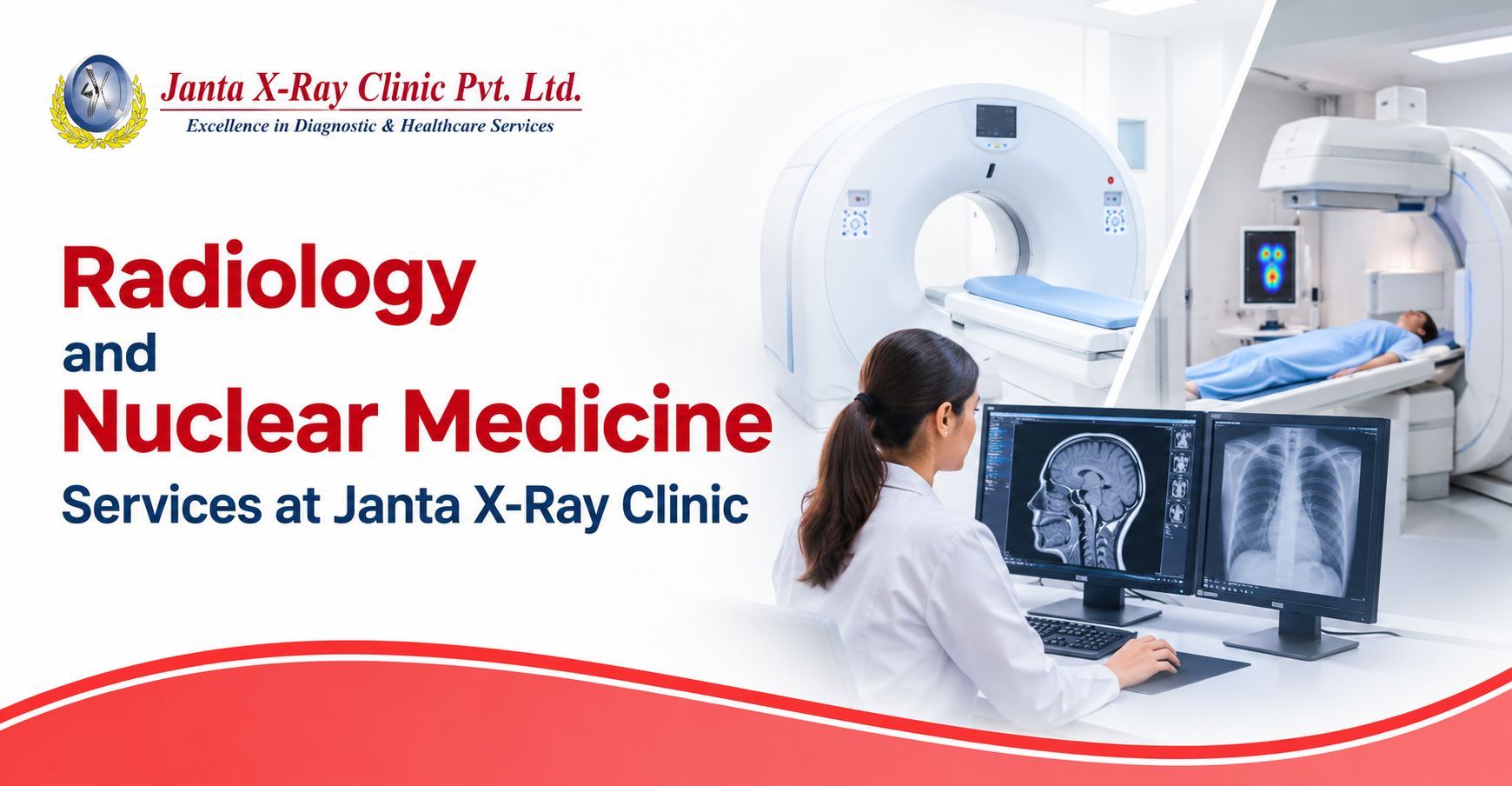
Diagnostic imaging helps doctors assess what cannot be seen during a routine physical examination. It can detect suspicious masses, evaluate persistent symptoms, monitor known conditions, and guide further diagnostic steps.
For symptoms such as persistent cough, chest discomfort, bone pain, or issues related to an injury, an X-ray is often the first diagnostic step recommended. If necessary, a doctor may advise further investigations such as an ultrasound, CT scan, MRI, whole-body PET-CT scan, or a biopsy to gain a more detailed assessment.
A clear and accurate diagnostic report helps doctors decide whether a condition needs reassurance, medication, closer monitoring, or specialist consultation. Accessible diagnostic imaging therefore supports early cancer detection at the community level.
Cancer Prevention Through Everyday Choices
Cancer prevention does not mean that every cancer can be avoided. However, many risk factors can be reduced through consistent lifestyle choices.
-
Avoid tobacco in every form: Tobacco use increases the risk of mouth, throat, and lung cancers.
-
Limit alcohol consumption: Reducing alcohol intake lowers the risk of several cancers.
-
Maintain a healthy weight: Balanced nutrition and regular physical activity support long term health.
-
Eat a balanced diet: Include fruits, vegetables, whole grains, and fibre in daily meals.
-
Stay physically active: Regular movement helps maintain a healthy weight and overall wellbeing.
-
Protect your skin: Use sunscreen and protective clothing to reduce damage from excessive sun exposure.
-
Follow medical advice: Seek timely consultation for persistent symptoms and recommended vaccinations.
How You Can Support Cancer Awareness
Every person can contribute to cancer awareness by encouraging timely health check-ups and supporting family members who may be avoiding medical consultation.
-
Talk openly about cancer: Open conversations help reduce fear, stigma, and misinformation.
-
Encourage regular screening: Motivate family members to follow doctor advised cancer screening tests.
-
Promote healthy habits at home: Avoiding tobacco, eating well, and staying active can benefit the entire family.
-
Share reliable information: Verified guidance from doctors and recognised health institutions helps prevent myths.
-
Support community health camps: Local screening and awareness programmes can help people access timely care.
National Cancer Awareness Day is a reminder that awareness must lead to timely action. Regular screening, early consultation, and the right diagnostic tests can help detect cancer earlier and improve treatment outcomes.
FAQs
Question: Can a person have cancer even if their routine blood test results are normal?
Answer: Yes. A normal blood test cannot say that there is no cancer. Depending on the situation, a doctor may recommend imaging, specialized tests, or a biopsy.
Question: Can a whole-body PET-CT scan detect all types of cancer?
Answer: No. While a PET-CT scan is useful for staging cancer, re-staging, and assessing the effectiveness of treatment, it cannot detect every type of cancer. Its use depends on the individual patient's condition.
Question: If a suspicious growth or lump is seen on a CT scan or MRI, does this confirm cancer?
Answer: No. While an abnormal growth may appear on imaging, conditions such as cysts, infections, or benign (non-cancerous) tumors can look similar. A biopsy is often required to confirm a cancer diagnosis.
Question: Why might a doctor recommend a PET-CT scan even after a cancer diagnosis has already been made?
Answer: It may be used to determine if the cancer has spread to other parts of the body, to identify affected areas, to stage the cancer, or to evaluate how well a treatment is working.
Question: Is cancer screening necessary if there is no family history of cancer?
Answer: Yes, it may still be necessary. Many people who develop cancer have no family history of the disease. The need for screening depends on factors such as an individual's age, their specific risk factors for cancer, and current medical guidelines.








Comments List