
World Stroke Day: When Something Suddenly Feels Different, Don't Ignore It
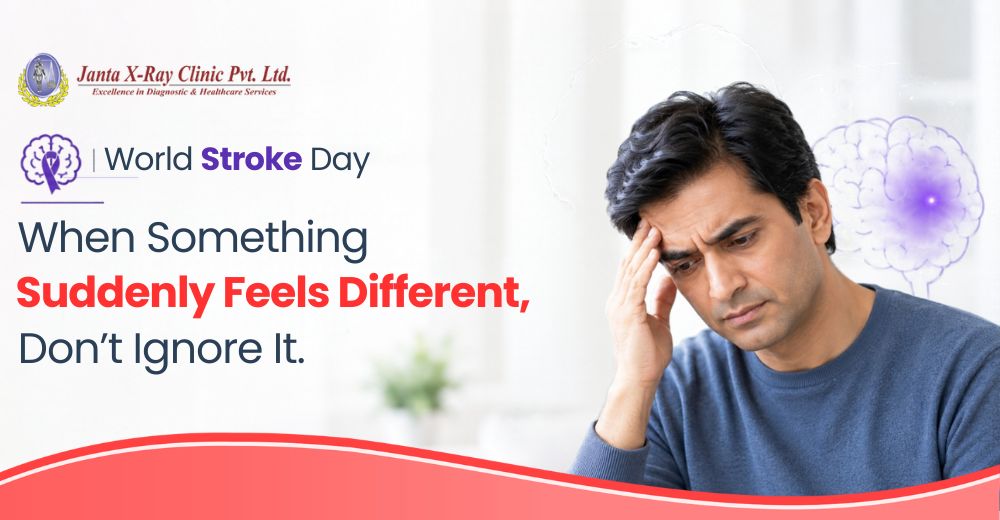
Some Moments Leave No Time to Think Twice
Imagine sitting across from your father at the dinner table when you notice that his words suddenly sound unclear. Or watching your mother struggle to lift one arm, even though she insists she is fine. Perhaps a family member suddenly feels dizzy, loses their balance, or seems unable to understand what you are saying.
Your first instinct might be to ask them to sit down, drink some water, or rest for a while. After all, we are used to believing that a little rest will make most things better. But what if this is one of those moments when waiting is the last thing you should do?
A stroke can happen suddenly, changing an ordinary day for an individual and everyone around them. The difficulty is that its warning signs are not always recognised for what they are. This World Stroke Day, observed on 29 October, is an opportunity to talk about something that could make a difference to someone you love: knowing when to act.
A Stroke Doesn't Always Look the Way We Imagine
Many people associate a stroke with older age or assume that its symptoms will be dramatic and impossible to miss. In reality, a stroke can affect people of different ages, and its warning signs may appear unexpectedly.
A sudden droop on one side of the face, weakness or numbness in an arm or leg, difficulty speaking or understanding words, and abrupt changes in vision, balance or coordination can all be warning signs. A severe, sudden headache without an obvious cause can also require urgent medical attention.
One useful way to remember some of the common signs is FAST: Face drooping, Arm weakness, Speech difficulty and Time to get emergency help. If you notice these symptoms, do not wait to see whether they disappear. Call emergency services immediately, even if the person begins to feel better.
Why Every Minute Matters
When someone experiences a stroke, the brain's normal blood supply is interrupted, either because a blood vessel is blocked or because bleeding occurs in or around the brain. Brain cells need a continuous supply of oxygen, and an interruption can cause damage quickly.
This is why time matters so much. The type of stroke, the area of the brain affected and how quickly treatment begins can all influence the outcome. Some treatments are suitable only within specific time windows, while other options depend on the individual's condition and clinical assessment.
If you suspect a stroke, note when the symptoms began or when the person was last seen behaving normally. Do not give food, water or medication unless directed by a medical professional. Avoid trying home remedies or driving the person yourself if emergency ambulance services are available.
Where Does Diagnostic Imaging Fit In?
In a suspected stroke, doctors need to establish what is happening inside the brain before deciding on the appropriate treatment. Diagnostic imaging plays an important role in this process.
A CT scan of the brain is commonly used during the initial assessment to help identify bleeding and guide further management. Depending on the patient's condition, doctors may also recommend additional imaging, such as CT angiography or an MRI, to assess blood vessels or examine brain tissue in greater detail.
The choice of investigation depends on the clinical situation and the treating team's assessment. However, one thing remains important: arranging a scan independently should never delay emergency medical care. The patient needs to reach an appropriate emergency facility promptly, where the medical team can coordinate the necessary investigations and treatment.
Prevention Begins Before an Emergency
Not every stroke can be prevented, but everyday health decisions can help reduce the risk. High blood pressure, diabetes, high cholesterol, smoking, physical inactivity and certain heart conditions can increase a person's risk of stroke.
Regular health check-ups, following prescribed treatment, staying physically active, eating a balanced diet and avoiding tobacco are practical steps worth taking. If you have a family member living with conditions such as hypertension or diabetes, encourage them to keep up with medical appointments rather than waiting until something feels wrong.
It is equally important to remember that healthy habits do not eliminate every risk. Knowing the warning signs and responding quickly remain essential, regardless of age or lifestyle.
This World Stroke Day, Think About the People Around You
We often remind our families to eat on time, take their medicines and get enough rest. But how often do we talk about what to do if someone suddenly cannot speak clearly or loses strength on one side of their body?
On World Stroke Day 2026, take a moment to have that conversation. Share the FAST warning signs with your parents, your partner, your children and the people you speak to every day. Make sure they understand that sudden stroke symptoms need emergency medical attention, not a wait-and-watch approach.
At Janta X-Ray Clinic Pvt. Ltd., we believe that access to diagnostic information is an important part of healthcare. Just as important is knowing when to seek help and why acting without delay matters.
Because sometimes, the most valuable thing you can do for someone is recognise that something is wrong and help them get the care they need.
Frequently Asked Questions
When is World Stroke Day observed?
World Stroke Day is observed every year on 29 October to raise awareness about stroke, its warning signs, prevention and the importance of timely treatment.
What are the early warning signs of a stroke?
Common warning signs include sudden facial drooping, weakness in an arm or leg, difficulty speaking or understanding speech, sudden vision problems and loss of balance or coordination. A sudden, severe headache may also be a warning sign.
What should you do if you suspect someone is having a stroke?
Call emergency services immediately. Note when the symptoms started, do not wait for them to disappear, and avoid giving food, drinks or medication unless a medical professional instructs you to do so.
Which scan is used to diagnose a stroke?
A CT scan of the brain is commonly performed during the initial assessment. Doctors may recommend CT angiography, MRI or other investigations depending on the patient's symptoms and clinical needs.
Can a stroke be prevented?
Not every stroke can be prevented, but managing blood pressure, diabetes and cholesterol, avoiding smoking, staying physically active and following medical advice can help reduce the risk.









Comments List