
World Heart Day 2026: Listen to What Your Heart Says
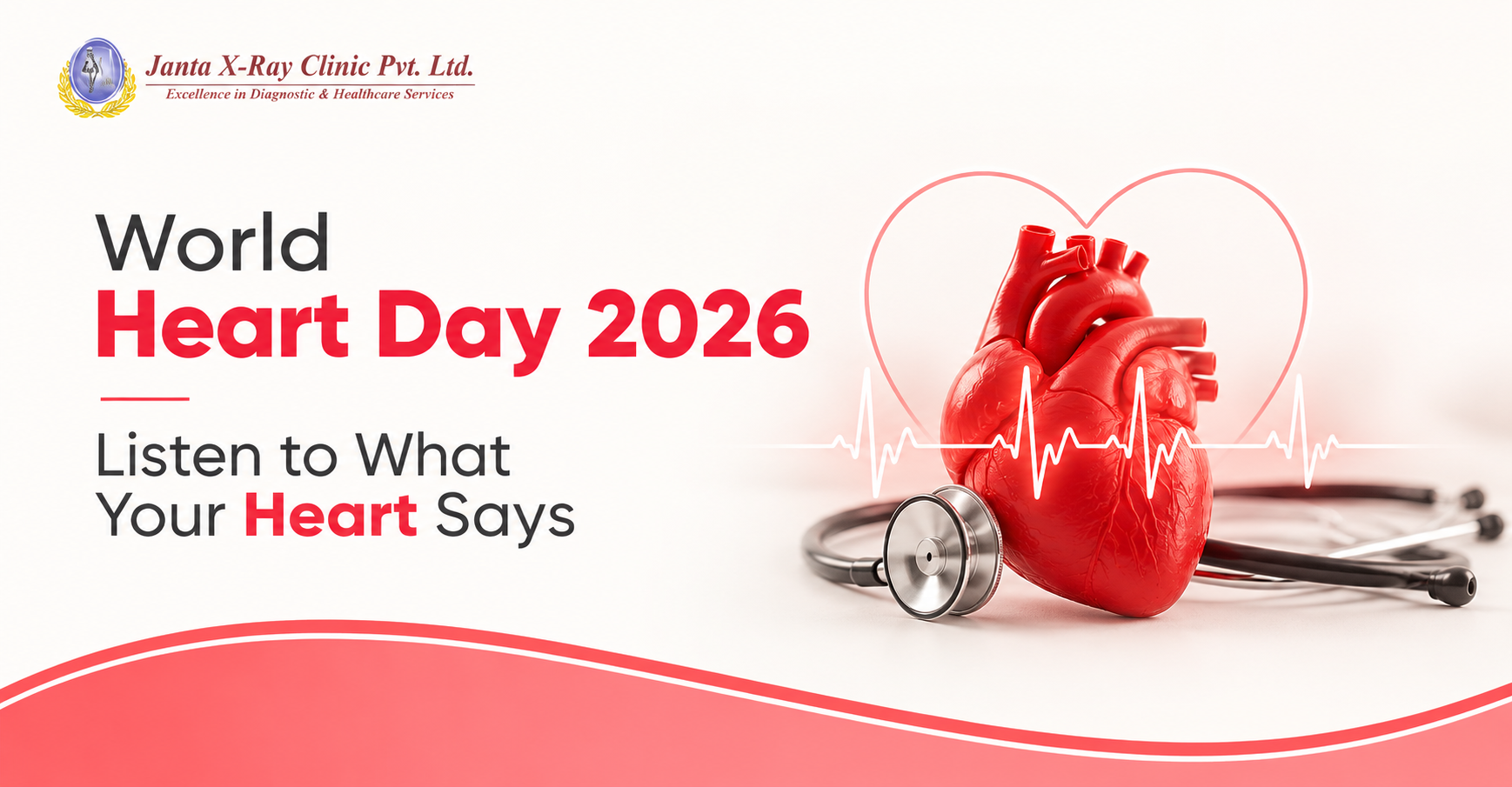
Every year, 29 September is observed as World Heart Day, a reminder to pay closer attention to one of the most important organs in the body. The heart works continuously, yet its health is often overlooked until something feels wrong.
The 2026 World Heart Day campaign carries the message “Don’t Miss a Beat”, encouraging people to recognise possible warning signs, understand their cardiovascular risk and take timely action.
Heart health is not only about what happens when someone experiences chest pain. Blood pressure, cholesterol, diabetes, smoking, physical inactivity, diet and family history can all influence a person's risk of developing cardiovascular disease.
This World Heart Day, it is worth taking a moment to understand what your heart may be trying to tell you.
Your Heart Can Give You Signs
The signs of a heart problem are not always dramatic.
Chest discomfort is one of the symptoms people commonly associate with heart disease, but it is not the only one. Some people may experience breathlessness, unusual tiredness, dizziness, a racing or irregular heartbeat, or discomfort that appears during physical activity.
These symptoms can also have causes unrelated to the heart. That is why they should not automatically be taken as proof of a heart condition. However, new, persistent or unexplained symptoms deserve proper medical attention.
Sometimes, the biggest mistake is assuming that a symptom will simply go away on its own.
It’s Not Always Just Chest Pain
A heart problem can feel different from person to person.
For some, there may be pressure, heaviness or discomfort in the chest. Others may notice breathlessness or unusual fatigue. Discomfort can sometimes extend towards the arm, shoulder, back, neck or jaw.jan
Some people may have few noticeable symptoms, particularly in the early stages of certain cardiovascular conditions.
This is one reason knowing your personal risk factors is important. If you have high blood pressure, diabetes, high cholesterol, smoke, have a family history of heart disease or have been advised by your doctor to undergo further evaluation, regular medical care can help identify potential concerns.
If you experience sudden or severe symptoms, especially chest pain or pressure with breathlessness, sweating, nausea, fainting or other concerning symptoms, seek urgent medical attention.
What Can Put Your Heart at Risk?
Several factors can increase the risk of cardiovascular disease.
High blood pressure and high cholesterol can remain unnoticed because they do not always produce obvious symptoms. Diabetes, tobacco use, physical inactivity and an unhealthy diet can also increase cardiovascular risk.
Age and family history are additional factors that cannot simply be changed.
The good news is that several risk factors can be managed. Staying physically active, eating a balanced diet, avoiding tobacco, maintaining a healthy weight and keeping conditions such as diabetes and high blood pressure under control can support better heart health.
Regular checkups can also help identify problems such as high blood pressure or cholesterol before symptoms appear.
When Should You Get Your Heart Checked?
There is no single heart test that everyone needs.
The right investigation depends on a person's symptoms, medical history, age, risk factors and the doctor's clinical assessment. A doctor may first recommend routine measurements or blood tests and may suggest additional investigations if there is a specific concern.
For someone experiencing symptoms such as unexplained breathlessness, chest discomfort or palpitations, the doctor may decide that further cardiac evaluation is needed.
It is better to have the right test for the right reason than to undergo a scan simply because it is available.
Where Heart Tests Come In
Imaging tests can provide doctors with a closer look when they need more information about the heart or blood vessels.
CT Coronary Angiography, for example, is a CT-based imaging test that can produce detailed images of the coronary arteries. It may be used when a doctor needs to assess the coronary arteries for narrowing, blockages or other abnormalities.
Janta X-Ray provides CT imaging and CT angiography services in Delhi. The centre offers diagnostic imaging that can support doctors in evaluating different medical conditions when imaging is clinically required.
The test itself is only one part of the diagnostic process. Your doctor may consider the imaging findings along with your symptoms, examination, medical history and other test results before deciding what they mean for your health.
Your Everyday Habits Count Too
A heart-friendly lifestyle does not begin with a diagnosis.
Regular physical activity, a balanced diet, adequate sleep, avoiding tobacco and keeping track of blood pressure, blood sugar and cholesterol can all form part of a healthier routine.
If you already have a medical condition or have been prescribed medication, taking it as advised and attending follow-up appointments is equally important.
Small changes may not feel significant on a single day, but maintaining healthier habits over time can help reduce cardiovascular risk.
This World Heart Day, Don’t Miss a Beat
World Heart Day is a useful reminder that heart health deserves attention before a serious problem forces us to think about it.
On 29 September 2026, take a little time to think about your own heart health. Know your blood pressure and cholesterol levels, understand your risk factors and don't brush aside symptoms that are new or unexplained.
And if a doctor recommends further testing, don't delay it without discussing your concerns with them.
At Janta X-Ray, diagnostic imaging services such as CT and CT angiography are available in Delhi to support medical evaluation when advised by a healthcare professional.
Your heart keeps working every day. This World Heart Day, make sure you are listening when it gives you a reason to pay attention.
Frequently Asked Questions
When is World Heart Day 2026?
World Heart Day will be observed on 29 September 2026.
What is the World Heart Day 2026 campaign message?
The World Heart Federation's 2026 campaign uses the message “Don’t Miss a Beat”, highlighting the importance of recognising cardiovascular disease and taking action.
What are some warning signs of heart problems?
Possible signs include chest discomfort, breathlessness, unusual tiredness, dizziness and palpitations. Symptoms can vary from person to person, so concerning or persistent symptoms should be discussed with a healthcare professional.
What is CT Coronary Angiography?
CT Coronary Angiography is an imaging test that uses computed tomography and contrast material to create detailed images of the coronary arteries. A doctor may recommend it when assessment of the coronary arteries is clinically appropriate.
Can heart disease be prevented?
Not every cardiovascular condition can be prevented, particularly those influenced by factors such as age or family history. However, managing risk factors such as high blood pressure, high cholesterol, diabetes, tobacco use, physical inactivity and diet can help reduce cardiovascular risk.


.jpg)
.jpg)
.png)
.png)
.png)
.jpg)
Comments List