World First Aid Day 2026: Be Someone’s Lifeline
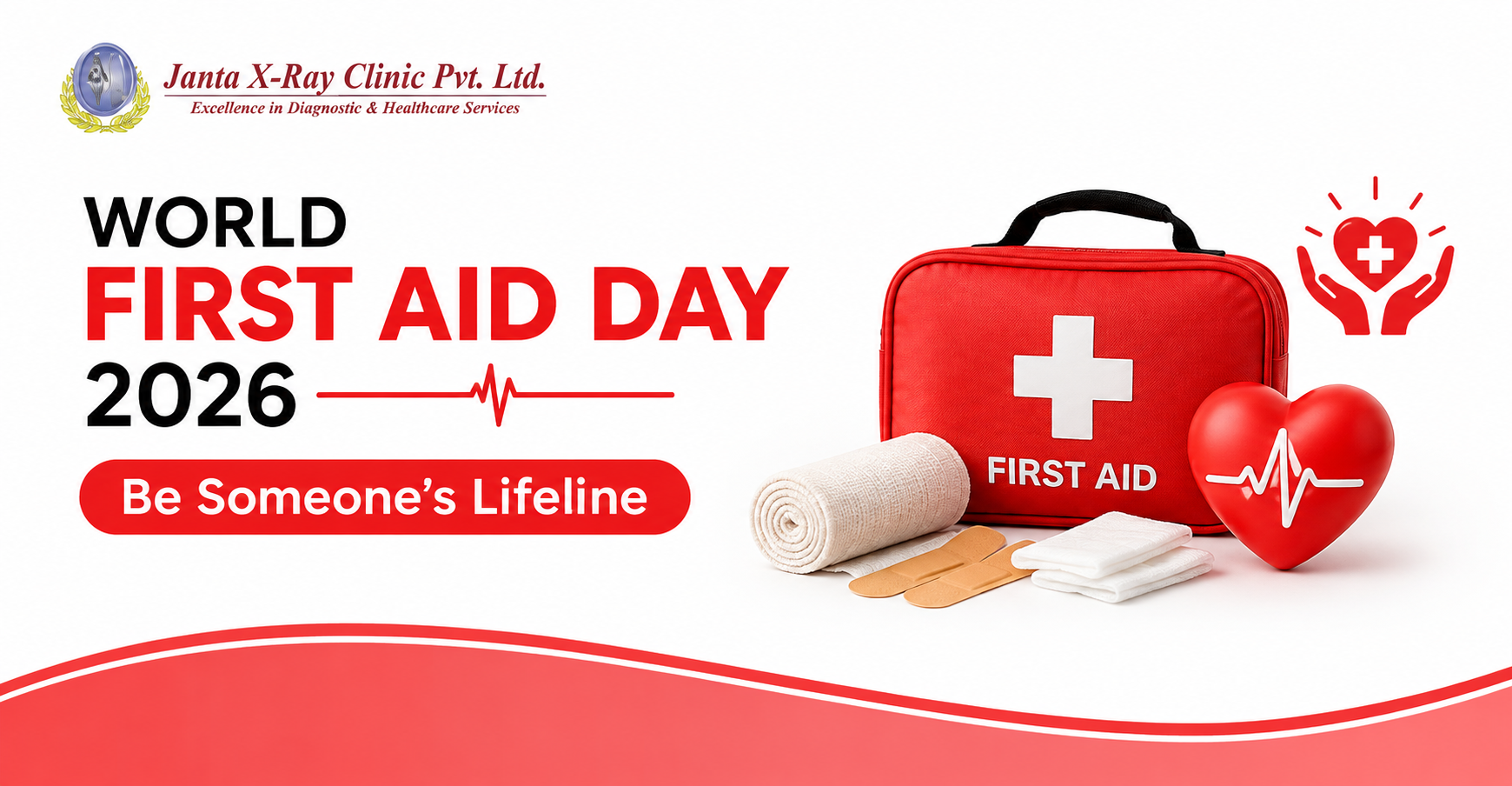
Most of us first heard about first aid in school. A teacher may have shown us the first aid box, explained how a bandage is used, or told us what to do when someone gets a small cut or injury.
At that time, it may have felt like just another lesson. But first aid is something that can become genuinely useful years later. An unexpected fall, a cut while cooking, a minor burn or an injury during travel can happen without warning, and knowing what to do in those first few moments can help.
World First Aid Day is a reminder that first aid is not just something we learn in school. It is a practical skill that can be useful at home, at work, while travelling and almost anywhere people are together.
The International Federation of Red Cross and Red Crescent Societies (IFRC) observes World First Aid Day on the second Saturday of September every year. In 2026, it falls on Saturday, September 12.
The First Aid Lesson We All Remember from School
Think back to those school days when someone would bring out a first aid box during a safety lesson.
There were usually bandages, cotton, antiseptic and a few other basic supplies inside. We were taught simple things such as keeping an injury clean, covering a wound and asking an adult for help when someone was hurt.
It may not have seemed important then, but the basic idea was actually quite practical. An injured person may need immediate help before professional medical care becomes available.
First aid refers to the initial assistance given to someone who is injured or suddenly becomes unwell. It does not replace proper medical treatment. Instead, it can provide basic care and support while further medical help is being arranged.
And that is why first aid knowledge is useful for everyone, not just healthcare professionals.
Why Should You Keep a First Aid Kit at Home and in Your Bag?
Accidents rarely happen at a convenient time.
Someone can cut their finger while preparing food, a child can scrape their knee while playing, or you might get a blister during a long day outside. These may be minor situations, but having basic supplies nearby makes it easier to deal with them without wasting time searching for a bandage or dressing.
A first aid kit at home should be kept somewhere that adults and older children can easily find it. It should not be hidden away in a place that nobody remembers.
A smaller kit can also be useful in a handbag, backpack, car or travel bag. When you're away from home, even simple things such as adhesive bandages, gauze, antiseptic wipes and disposable gloves can come in handy.
The important thing is not to create a huge medical box. It is to keep basic, useful supplies together and make sure they are ready when needed.
It is also worth checking the kit regularly. Used supplies should be replaced, damaged packaging should be removed and medicines or other products should be checked for their expiry dates.
What Should a First Aid Kit Contain?
A well-stocked first aid kit should contain basic supplies for wound care, hygiene and common minor injuries. The exact contents can vary depending on whether the kit is kept at home, in a car, in a workplace or in a travel bag.
You don't need every possible medical product. A practical kit should focus on things that are likely to be useful and easy to use.
Bandages and Dressings
These are the basics of most first aid kits. They help cover wounds, protect injured skin and keep dressings securely in place.
- Sterile gauze pads: Available in different sizes, sterile gauze can be used to cover cuts, abrasions and other wounds. It can also absorb blood or wound fluid while protecting the affected area from dirt and further irritation.
- Adhesive bandages or plasters: These are useful for small cuts, minor scrapes and blisters. Keeping different sizes makes it easier to cover injuries on different parts of the body.
- Crepe or elastic bandages: These can provide support and compression for certain sprains and strains. They may also be used to secure a dressing or hold a cold pack in place when appropriate.
- Adhesive medical tape: Medical tape helps keep gauze and other dressings securely in place. It becomes particularly useful when a regular adhesive plaster is not large enough for the wound.
- Eye pads: These are designed to provide temporary protection for an injured eye. Eye injuries need to be handled carefully, and medical assessment may be required depending on the injury.
Cleaning and Hygiene Supplies
Good hygiene is an important part of basic first aid. Before helping someone with an injury, keeping your hands and supplies clean can reduce unnecessary contamination.
- Antiseptic wipes: These can be useful for cleaning around minor injuries when appropriate and are especially convenient in small travel or car kits.
- Saline solution: Sterile saline can be useful for rinsing certain wounds or flushing the eyes when appropriate. Single-use saline pods are convenient to store and carry.
- Hand sanitiser: A small bottle of hand sanitiser can help with hand hygiene before providing basic first aid, particularly when soap and water are not immediately available.
- Disposable gloves: Gloves provide a protective barrier when dealing with blood or other bodily fluids. They are an important addition when treating an open wound.
- Cotton wool and swabs: These may be useful for certain cleaning or application purposes. However, cotton should not be pushed into an open wound because fibres can be left behind.
Medicines and Basic Medical Supplies
Some people also keep commonly used over-the-counter medicines in their first aid kit. These should be chosen carefully because not every medicine is suitable for everyone.
- Paracetamol: It is commonly used for temporary relief from pain and fever when appropriate. Dosage should always follow the product instructions and take the person's age and other health considerations into account.
- Antihistamines: An appropriate antihistamine may help with some mild allergic symptoms such as itching or a rash. However, serious allergic reactions require urgent medical attention and should not be treated with a home first aid kit alone.
- Oral rehydration salts (ORS): ORS can help replace fluids and electrolytes lost through diarrhoea or vomiting. Keeping a few sachets at home or in a travel kit can be useful.
- Antacid: Some people may choose to keep an over-the-counter antacid for occasional indigestion or heartburn. Persistent, severe or unusual symptoms should not simply be treated repeatedly with antacids.
- Burn-care supplies: A first aid kit may include an appropriate dressing or product intended for minor burns. Serious or extensive burns need medical assessment rather than relying only on a home remedy or first aid product.
Medicines should be stored in their original packaging wherever possible, with instructions available. Expired medicines should be removed and replaced appropriately.
Tools and Instruments
A few simple tools can make the rest of the first aid kit much easier to use.
- Digital thermometer: Useful for checking body temperature when someone feels feverish or unwell. It is particularly practical for a home first aid kit.
- Tweezers: These can be used for carefully removing small, superficial splinters or debris when appropriate. Anything deeply embedded should be assessed by a healthcare professional.
- Scissors: A pair of suitable scissors can help cut medical tape, gauze and dressings. They may also be useful when clothing needs to be moved away from an injured area.
- Safety pins: These can be useful for securing bandages or supporting a temporary sling when appropriate.
- Small torch or flashlight: A flashlight can be useful in a car or emergency kit when an injury needs to be assessed in poor lighting or during a power cut.
What Else Should You Keep in Mind?
A first aid kit is most useful when everyone knows where it is.
If it is kept at home, family members should know its location. If you have a car or travel kit, keep it somewhere accessible rather than buried underneath luggage or other belongings.
It is also a good idea to keep important emergency contact numbers easily available and check the contents of the kit every few months.
Most importantly, having a first aid kit does not mean you are prepared for every emergency. Knowing when to use the supplies and when to seek professional help matters just as much.
What Situations May Need First Aid?
First aid can be useful in many everyday situations, from minor injuries to serious emergencies where immediate assistance is needed while professional help is on the way.
Cuts, Scrapes and Bleeding
Small cuts and scrapes are among the most common injuries at home, work and outdoors. Basic supplies such as gauze, dressings and adhesive bandages can help protect a minor wound.
Heavy bleeding, a deep wound or bleeding that does not settle requires urgent medical attention. A first aid kit should never be used as a reason to delay emergency care.
Burns and Scalds
Burns can happen while cooking, handling hot objects or coming into contact with hot liquids.
The right first aid depends on the severity and type of burn. Minor burns may need immediate basic care, while extensive, deep or serious burns require prompt medical assessment.
Falls and Other Injuries
A simple fall can result in anything from a minor scrape to a fracture or head injury.
If someone experiences significant pain, difficulty moving, loss of consciousness or concerning symptoms after a serious fall, medical attention should be sought rather than trying to manage the injury with supplies from a first aid box.
Choking and Breathing Problems
Choking and serious breathing difficulties can become emergencies very quickly.
This is one reason proper first aid training is valuable. Knowing how to recognise an emergency and respond appropriately can be more useful than trying to remember instructions for the first time when someone is already in distress.
Road Accidents
Road accidents can involve several injuries at once, including wounds, bleeding, fractures and head injuries.
In these situations, first aid is about providing appropriate immediate support while emergency medical help is contacted. A person with a potentially serious injury should not be moved unnecessarily unless there is an immediate danger requiring them to be moved.
Which Basic First Aid Skills Should Everyone Know?
A first aid kit is helpful, but knowing how to use it is what makes it useful.
Basic first aid training can teach people how to recognise an emergency, respond appropriately to common injuries and understand when professional medical help is needed.
Some useful skills include basic wound care, responding to bleeding, recognising choking, understanding what to do during a medical emergency and learning CPR through proper practical training.
The IFRC provides first aid learning resources and promotes first aid training through Red Cross and Red Crescent National Societies.
Rather than relying only on social media videos or random online instructions, proper training gives people the opportunity to learn recognised techniques and practise them correctly.
When Is First Aid Not Enough?
This is something every first aider should understand.
First aid is initial care, not a diagnosis or complete treatment. A bandage can cover a wound, but it cannot tell you whether there is a deeper injury. Similarly, pain after a fall may sometimes indicate an injury that needs further assessment.
Urgent medical help should be sought for situations such as severe bleeding, difficulty breathing, loss of consciousness, serious burns, major injuries or suspected fractures.
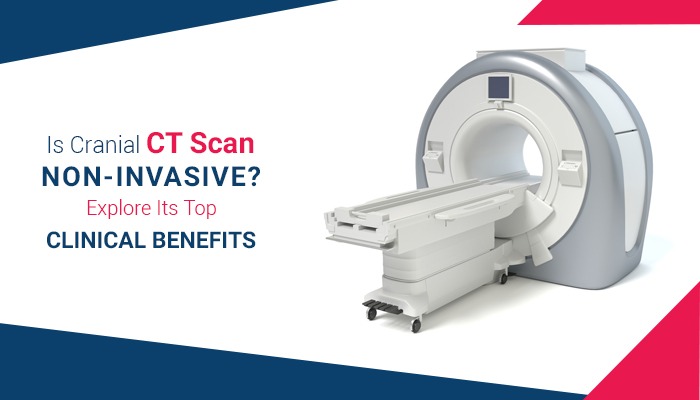
After an accident, a doctor may recommend diagnostic imaging depending on the symptoms and examination. For example, an X-ray may be used to assess certain suspected bone injuries, while a CT scan may be recommended when more detailed imaging is required.
The choice of test depends on the individual situation and should be made by a healthcare professional.
What Can You Do This World First Aid Day?
You don't need to do something complicated to mark World First Aid Day.
Start with the first aid kit at home. Open it, check what is actually inside and replace anything that has been used or is no longer suitable.
If you've never taken a first aid course, this could also be a good time to learn. Even basic training can make you more comfortable with recognising an emergency and responding appropriately.
And if you already know first aid, share that knowledge with someone else.
Because the most useful thing about first aid is not the box sitting on the shelf. It is knowing what to do when someone beside you needs help.
Final Words
First aid starts with knowing what to do when someone needs immediate help. Keeping a basic first aid kit nearby and learning essential skills can help you respond with confidence.
And when an injury needs further evaluation, Janta X-Ray offers diagnostic imaging services that may be recommended by a doctor, including X-ray and CT scans.
This World First Aid Day, be prepared to help when someone needs you.
Frequently Asked Questions
Question - When is World First Aid Day 2026?
Answer - World First Aid Day 2026 will be observed on Saturday, September 12, 2026. It is celebrated every year on the second Saturday of September.
Question - What is the theme of World First Aid Day 2026?
Answer - The theme for World First Aid Day 2026 is “First Aid in Migration Contexts”, with the campaign message “On the move, but not alone.”
Question - Why is World First Aid Day celebrated?
Answer - World First Aid Day raises awareness about the importance of first aid and encourages people to learn basic skills that can help during injuries and emergencies.
Question - Can anyone learn first aid?
Answer - Yes. First aid is not limited to doctors, nurses or other healthcare professionals. Ordinary people can learn basic first aid skills through appropriate training.
Question - What should a basic first aid kit contain?
Answer - A basic kit can include adhesive bandages, sterile gauze, medical tape, antiseptic wipes, disposable gloves, saline, scissors, tweezers, a thermometer and other supplies suited to the place where the kit is being used.
Question - Is a first aid kit enough during an emergency?
Answer - No. A first aid kit is meant for basic immediate care. Serious injuries and emergencies require appropriate professional medical attention as quickly as possible.
Question - Why might an X-ray or CT scan be needed after an accident?
Answer - Depending on the injury and symptoms, a doctor may recommend imaging to assess injuries that cannot be confirmed through an external examination alone. An X-ray can help assess certain bone injuries, while CT can provide more detailed imaging when clinically required.


.png)

1.png)
-Janta.jpg)
1.jpg)
.png)
Comments List