
Head and Neck Cancer Symptoms: When to See a Doctor Fast

Head and neck cancers are one of those conditions people keep pushing to the back of their mind. A sore throat that has been around for weeks, a lump near the jaw that showed up three months ago, a voice that sounds a little off lately. Most people assume it is nothing serious and wait it out.
Sometimes that is fine. But sometimes that wait is what turns something treatable into something much harder to deal with.
Understanding the real symptoms of head and neck cancer, and knowing when to take action.
What Is Head and Neck Cancer?
Head and neck cancer is not a single disease. It is a group of cancers that can start in different parts of the head and neck area. This includes the mouth, throat, voice box, nose, sinuses, and saliva glands.
Due to different symptoms produced by each location, this category is challenging. A cancer starting in the voice box will feel very different from one starting in the nose or the back of the throat. That is why so many cases are caught late, because people do not recognise what they are looking at.
Where Do These Cancers Start?
Most head and neck cancers begin in the thin layer of cells that line the inner surface of the mouth and throat. These cells can change over time due to tobacco use, alcohol, certain viral infections, or even long-term sun exposure in the case of lip cancer.
In India, the numbers are particularly serious. Mouth cancer alone accounts for nearly 30 percent of all cancer cases in the country. That is one in every three cancer cases, which is far higher than the global average.
Who Is at Risk?
- People who smoke cigarettes regularly or have smoked heavily in the past
- People who chew any form of tobacco on a regular basis
- Heavy alcohol users, especially those who combine it with tobacco
- People who have had an HPV infection, a virus that can increase the risk of throat cancer
- Anyone above the age of 40, since risk increases with age
- People who spend long hours in direct sun exposure without protection
What Are the Symptoms of Head and Neck Cancer?
This is where things get important. The symptoms of head and neck cancer change depending on where exactly the cancer is developing. A general list is not enough. You need to know what to look for based on location.
Symptoms of neck cancer that apply to all cases.
Some warning signs appear no matter which area of the head or neck is affected. These are the ones everyone should know.
- A lump in the neck that does not go away after two to three weeks, even without any pain
- A sore throat that keeps coming back or has simply never gone away after three or more weeks
- Losing weight without any changes to diet or physical activity
- Swollen glands in the neck or jaw that stay enlarged and do not reduce over time
- Difficulty swallowing or a feeling that food is getting stuck somewhere in the throat
- A noticeable change in voice, such as persistent hoarseness or roughness, for no clear reason
- Bleeding from the mouth, nose, or throat without an obvious injury or cause
- Numbness in the face, mouth, or neck that does not come from a known dental or nerve issue
If any of these have been present for more than two to three weeks, that is the point where a medical check becomes necessary, not optional.
Symptoms Based on Where the Cancer Is
Mouth Cancer Symptoms
- White or red patches inside the mouth that appear and do not heal over time
- A sore on the lip or inside the mouth that has lasted more than two weeks
- Teeth that have become loose without any clear dental cause
- Pain in the jaw or difficulty opening and closing the mouth normally
Throat Cancer Symptoms
- A cough that has been going on for weeks and does not respond to normal treatment
- Pain in one ear that is not connected to any ear infection or blockage
- Breathing that sounds noisy or feels laboured for no obvious reason
- A persistent sensation that something is caught in the throat
Nose and Sinus Cancer Symptoms
- One side of the nose remaining blocked for a long time, unrelated to a cold or seasonal allergy
- Nosebleeds that happen repeatedly without any injury or known cause
- A reduced or lost sense of smell
- Pressure or pain around the eyes, forehead, or cheeks
Saliva Gland Cancer Symptoms
- Swelling near the ear, under the chin, or along the jawline that grows gradually
- A part of the face feeling numb without any dental or nerve issue explaining it
- One side of the face appearing weaker or drooping compared to the other side
Types of Head and Neck Cancers
Mouth Cancer
This type affects the tongue, lips, cheeks, gums, and the roof of the mouth. It is the most common form of head and neck cancer in India and is closely linked to long-term tobacco use in any form.
Throat Cancer (Tonsil and Back of Mouth Area)
This type starts in the back of the throat, the tonsils, or the base of the tongue. In recent years, HPV infection has become a significant cause of this cancer, including in people who have never used tobacco in their lives.
Voice Box Cancer
This cancer affects the part of the throat that produces sound when you speak. A change in voice, persistent hoarseness, or a rough quality to speech is usually the first sign people notice, often months before any pain develops.
Cancer Behind the Nose
This cancer starts in the area just behind the nose, which connects to the back of the throat. Blocked ears, hearing loss on one side, and repeated nosebleeds are the most common signs. It is less common than other types but tends to spread earlier.
Lower Throat Cancer
Found in the lowest part of the throat, this cancer is often diagnosed late because the early symptoms are easy to dismiss or attribute to something else. The main signs are difficulty swallowing and a persistent sore or irritated feeling in the throat.
Saliva Gland Cancer
This type affects the glands responsible for producing saliva. The most typical early sign is a painless swelling near the jaw or ear that grows slowly over weeks or months. Because it does not hurt, people often leave it unchecked for too long.
What Happens When These Symptoms Are Ignored?
Ignoring neck cancer signs does not make them disappear. It simply gives the cancer more time to grow and reach areas that are harder to treat.
Cancers that are caught at an early stage respond very well to treatment. The chances of a full recovery are significantly higher when the cancer is found before it has spread to surrounding tissue or glands. When it is found late, the treatment becomes more intensive, the side effects are greater, and the outcomes are less predictable.
Most people in India seek medical attention only when the lump has grown large, swallowing has become painful, or significant weight loss has already happened. By that point, the options available are fewer.
A lump that has been sitting in the neck for six months is a completely different situation from one that appeared a few weeks ago. Time is not neutral in cancer. It works against you.
Diagnosis and Tests
When a doctor suspects cancer based on what you describe and what they observe, they will move through a clear set of steps to confirm the diagnosis.
First, a Physical Examination
The doctor starts by checking your neck, mouth, throat, and the glands along your jaw by feel and by sight. They will ask how long the symptom has been there, whether it has changed over time, and about your overall health and lifestyle. This gives them enough information to decide which tests to order next.
Imaging Scans
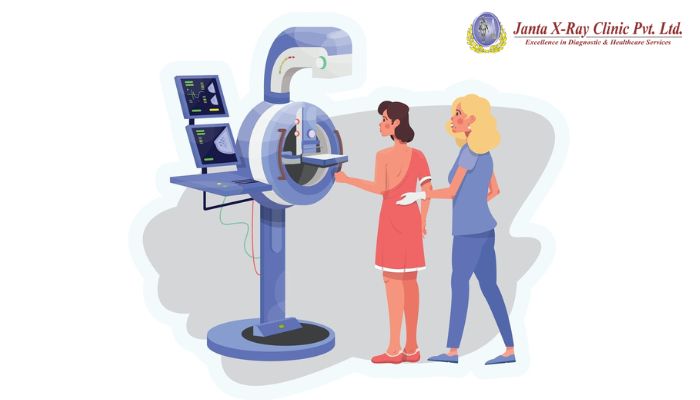
Scans are almost always the next step after a physical examination. Different scans give different types of information.
- CT Scan: Shows the exact size and location of a lump, tumour, or swollen gland in the neck. This is usually the first imaging test ordered when neck cancer is suspected.
- MRI Scan: Provides a more detailed picture of soft tissues around the affected area and helps plan further steps.
- PET Scan: Used to find out whether the cancer has spread beyond the original site to other parts of the body.
- Ultrasound of the Neck: A quick, painless way to examine swollen glands and saliva glands. Often used as an early check before ordering larger scans.
- X-Ray: Sometimes used to check if the chest or lungs have been affected.
At Janta X-Ray clinic Pvt. Ltd., every one of these scans is available across their Delhi NCR centres.
CT scan, MRI, PET scan, neck ultrasound, digital X-ray, and full pathology lab work are all accessible in one place. Their equipment meets NABL standards, their radiologists are experienced, and their reports are built for accuracy. Home sample collection is also available for blood-based tests. For someone dealing with an unexplained lump or persistent throat symptoms, this kind of single-window access matters.
Tissue Sample Test
If a scan reveals something that looks suspicious, a small sample of tissue is collected from that area. This sample is examined under a microscope to confirm whether cancer cells are present and, if so, what type they are. This is the most reliable way to confirm a cancer diagnosis.
Camera Examination
A thin, flexible tube with a small camera is passed through the nose or mouth to look directly at the throat, voice box, and surrounding areas. This is done under mild sedation and is generally comfortable. It allows the doctor to see things that scans alone may not fully capture.
Blood Tests
There is no single blood test that can diagnose head and neck cancer directly. However, blood tests help assess overall health, check for infection, and in some cases test for HPV, which is relevant when throat cancer is suspected.
When Should You See a Doctor?
The rule is straightforward. Any lump, sore, or persistent symptom in the head or neck area that has not improved after two to three weeks needs a proper medical evaluation.
See a doctor right away if you notice any of the following:
- A lump in your neck that has been there for more than three weeks
- A voice change or hoarseness lasting more than two weeks
- Swallowing difficulty that is gradually getting worse
- A mouth sore that has been there for more than two weeks and is not healing
- Nosebleeds that keep happening without any injury
- Unexplained weight loss along with any of the above signs
Early detection is the single most important factor in how well head and neck cancer responds to treatment. This is not a matter of being overly cautious. It is a matter of giving yourself the best chance.
Take the First Step at Janta X-Ray
Recognising the symptoms of head and neck cancer is only useful if it leads to action. If anything in this article sounds familiar, the right move is to get a scan and know for certain, not to keep waiting and wondering.
Janta X-Ray clinic Pvt. Ltd. is one of the most reliable diagnostic centres in Delhi NCR, patients served and a reputation built on accurate results, fast reporting, and affordable pricing. Their NABL-certified labs, advanced imaging equipment, and experienced team make them a dependable first stop for anyone dealing with unexplained symptoms in the head or neck area.
Book your scan today at www.jantaxray.in or call 011-4911-4911.
Your health does not get better by waiting.



.jpg)
.jpg)
.jpg)


.jpg)
.png)
Comments List