
Pituitary Microadenoma Detection and Care at Janta X-Ray Clinic Pvt. Ltd Tilak Nagar
.png)
In a place like West Delhi, patients come to Janta X-Ray Clinic Pvt. Ltd, Tilak Nagar on the advice of their doctors, often with prescriptions for scans to investigate chronic headaches, unexplained fatigue, or subtle hormonal changes. Not every diagnosis is obvious. Some of them sit quietly, hidden in scans, barely a few millimeters in size. And yet, they end up being the most debated findings in radiology.
At Janta X-Ray Clinic Pvt. Ltd, Tilak Nagar, one such finding comes up more often than people expect, pituitary microadenomas.
“Think of your pituitary gland as the command center for your body’s hormones, a tiny pea-sized powerhouse at the base of your brain. A microadenoma is like a tiny bump on that command center: often harmless, sometimes causing subtle shifts in the body’s hormone signals,” says Dr. Varun Kumar, MD Radiologist, one of the leading imaging specialists in West Delhi. “The biggest mistake people make is assuming that ‘finding something’ automatically means ‘something is wrong.’ With pituitary microadenomas, the real skill lies in knowing when to act and when not to overreact.”

That distinction between detection and decision is where modern radiology is evolving.
A pituitary microadenoma is simply a small growth in the pituitary gland, less than 10 mm in size. Cross that mark, and it is labeled a macroadenoma. But in real-world practice, this classification is less important than interpretation, because these tiny lesions behave differently in every patient.
Some people come with symptoms linked to hormonal imbalance. Others have no symptoms at all and discover a pituitary microadenoma incidentally during an MRI for something unrelated, which is often referred to as a pituitary incidentaloma. And that is where things get complicated not medically, but decision-wise.
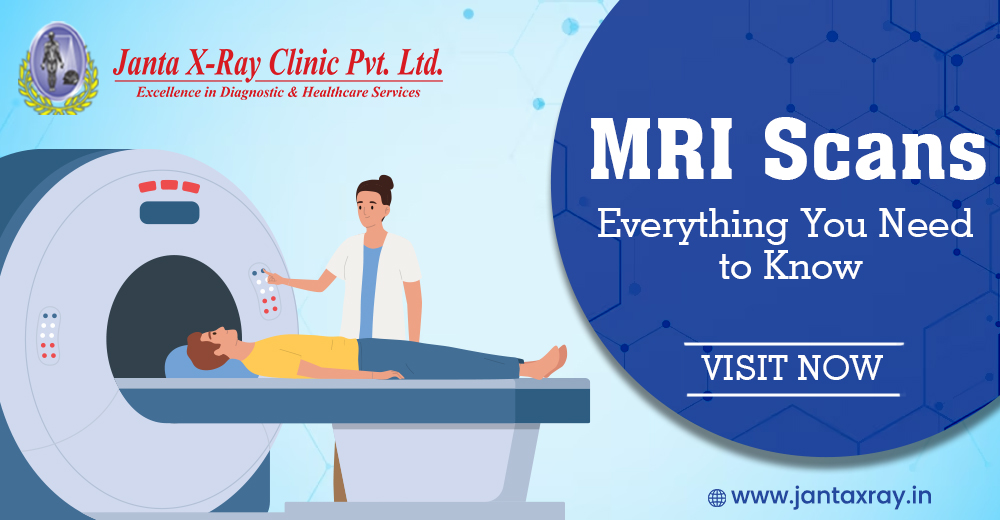
MRI remains the most reliable tool for microadenoma MRI detection, but not all scans are equal. A proper pituitary MRI requires thin slices, focused imaging, and dynamic contrast MRI sequences to track how the gland enhances over time. The normal pituitary enhances quickly after contrast injection. A microadenoma, on the other hand, often enhances later. That subtle delay is a critical clue that experienced radiologists like Dr. Varun Kumar can identify.

However, not all pituitary microadenomas require contrast for follow-up. At Janta X-Ray Clinic Pvt. Ltd Tilak Nagar, careful attention is given to non-contrast pituitary MRI sequences as well. Slight asymmetry in the gland, minimal bulging, or a tiny pituitary stalk deviation can indicate the presence of a microadenoma.
And this is where a very practical, patient-first approach comes in.
“If a pituitary microadenoma is clearly identified and remains stable, repeated contrast scans are not always necessary. Avoiding unnecessary exposure is just as important as making the diagnosis,” Dr. Varun adds.

In a city like Delhi, where patients often move between multiple diagnostic centers, this kind of clarity matters. Over-testing does not just increase cost, it increases anxiety.
What is even more surprising is how common these findings actually are. A significant number of people may have tiny, silent pituitary microadenomas and never experience any symptoms. They are discovered accidentally and in many cases, they do not grow or cause harm over time.
Which brings us to an important truth, not every abnormality needs action.
At its best, radiology is not about identifying abnormalities. It is about defining their importance. A well-read scan can prevent unnecessary anxiety, avoid excessive testing, and guide clinicians toward balanced decisions.
“A good radiology report should reduce confusion, not create it,” says Dr. Varun. “Patients come for answers, not more questions.”
That mindset is what separates routine diagnostics from thoughtful medical care.
Because in the end, the real value of advanced imaging for pituitary microadenomas at Janta X-Ray Clinic Pvt. Ltd, Tilak Nagar is not just in detecting what is there, it is in knowing what matters, what does not, and what comes next.




.jpg)
.jpg)



.jpg)
Comments List