
Thyroid Cancer Is No Longer a Late Conversation. Here’s Why Specialists Are Looking Deeper Than Symptoms
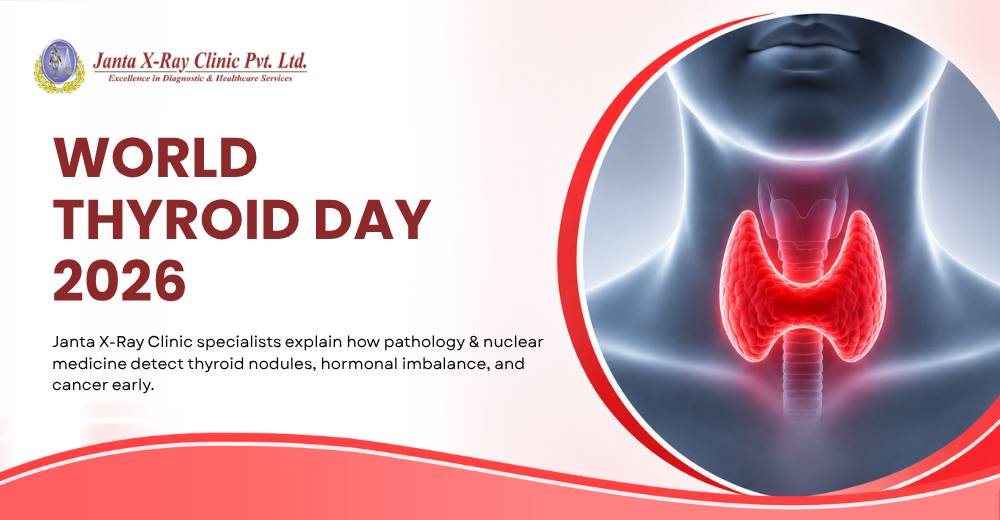
There was a time when thyroid disorders were discussed almost casually.
People associated them with minor hormonal imbalance, temporary weight fluctuation, low energy, or stress related exhaustion. Even today, most individuals continue dismissing the signs for months because thyroid dysfunction rarely interrupts life dramatically in the beginning. It settles in gradually. Quietly enough to feel ordinary.
A slower metabolism. Constant fatigue despite adequate sleep. Hair thinning that feels seasonal. Anxiety without a clear reason. Mood instability. Irregular menstrual cycles. A swelling in the neck that does not seem alarming enough to investigate immediately.
The thyroid has always been a master of subtlety.
Redefining Thyroid Disease Diagnosis: Moving Beyond Surface Symptoms
What has changed over the years is not the disease itself, but the way modern medicine now understands it. Particularly in thyroid cancer, specialists are no longer relying only on symptoms or conventional assessment patterns. The focus has shifted toward functional imaging, pathological precision, and a more integrated understanding of how thyroid abnormalities behave inside the body.
On World Thyroid Day, conversations around thyroid health are becoming far more layered than routine thyroid function test blood investigations. Across advanced diagnostic centres, clinicians are increasingly emphasising the importance of correlating pathology, imaging, metabolic activity, and clinical presentation together rather than viewing them in isolation.
At Janta X-Ray Clinic Pvt. Ltd., this multidisciplinary approach forms the foundation of thyroid evaluation.
Advanced Nuclear Medicine in Thyroid Cancer Screening and Evaluation
According to Dr. RaviKant Gupta, Senior Consultant and Head of Department of Nuclear Medicine at Janta X Ray Clinic, thyroid cancer screening and assessment today is evolving beyond structural observation into biological interpretation.
“In nuclear medicine, we are not only evaluating the anatomical presence of disease. We are studying functional behaviour at a molecular level. That distinction becomes especially important in thyroid malignancies where recurrence patterns, metastatic spread, and residual disease activity may not always be fully understood through conventional imaging alone. Advanced nuclear medicines are allowing clinicians to approach thyroid oncology with far greater diagnostic depth and therapeutic clarity.”

His perspective reflects a broader advancement within modern thyroid cancer management. Functional imaging now plays a critical role not only in identifying suspicious thyroid activity, but also in evaluating how disease responds over time, how aggressively it behaves, and how treatment planning can be refined with greater precision.
The Role of Precision Pathology in Detecting Thyroid Nodules Early
At the pathology level, thyroid nodule evaluation and interpretation demands an equally careful lens.
Not every thyroid abnormality appears clinically dramatic. Some changes emerge subtly through biochemical patterns, antibody profiles, or microscopic cellular alterations that require experienced pathological evaluation to interpret accurately. In many patients, symptoms continue to overlap with everyday lifestyle stress until a detailed diagnostic correlation reveals a much larger clinical picture.
Dr. Priyanka Anand, HOD Pathology at Janta X Ray Clinic Pvt. Ltd., believes thyroid pathology is one of the most nuanced areas of laboratory medicine because seemingly minor variations can often carry significant clinical relevance.
“Thyroid pathology requires more than isolated reporting. Every investigation must be interpreted in context with clinical presentation, imaging findings, and cellular behaviour. Whether it is thyroid function analysis, antibody assessment, or cytological evaluation, the objective is to understand the biological narrative behind the disease rather than viewing individual parameters independently.”

Why a Comprehensive Thyroid Test and Screening Can Save Lives
This convergence of pathology and nuclear medicine is gradually redefining how thyroid disease is evaluated across modern diagnostic practice.
The conversation is no longer restricted to whether thyroid levels appear normal or abnormal on paper. Specialists are now paying closer attention to how symptoms persist, how thyroid tissue behaves metabolically, how nodules evolve structurally, and how microscopic findings correlate with clinical progression.
That shift matters because thyroid cancer often develops within a landscape of symptoms people have already normalised.
Many patients continue functioning through chronic fatigue, hormonal instability, neck discomfort, unexplained metabolic changes, or prolonged thyroid imbalance without recognising that these patterns deserve deeper evaluation. By the time concerns begin affecting daily quality of life significantly, the underlying pathology may already have progressed beyond its quieter phase.
Take Action on World Thyroid Day: Visit Janta X-Ray Clinic Delhi
This World Thyroid Day, the message from specialists is not centred around fear. It is centered around awareness with a clinical perspective.
The body rarely stops communicating. Most thyroid conditions spend months appearing manageable before they begin demanding attention more aggressively. Recognising those patterns, understanding persistent changes, and seeking a comprehensive thyroid test can often reshape the course of clinical management significantly.
To know more about thyroid health, thyroid cancer screening, or advanced diagnostic imaging, connect with Janta X-Ray Clinic Pvt. Ltd. and explore our latest World Thyroid Day awareness initiative on Instagram.



.jpg)
.jpg)


.jpg)

Comments List