
Whole Body Checkup in Delhi: The Complete Health Guide
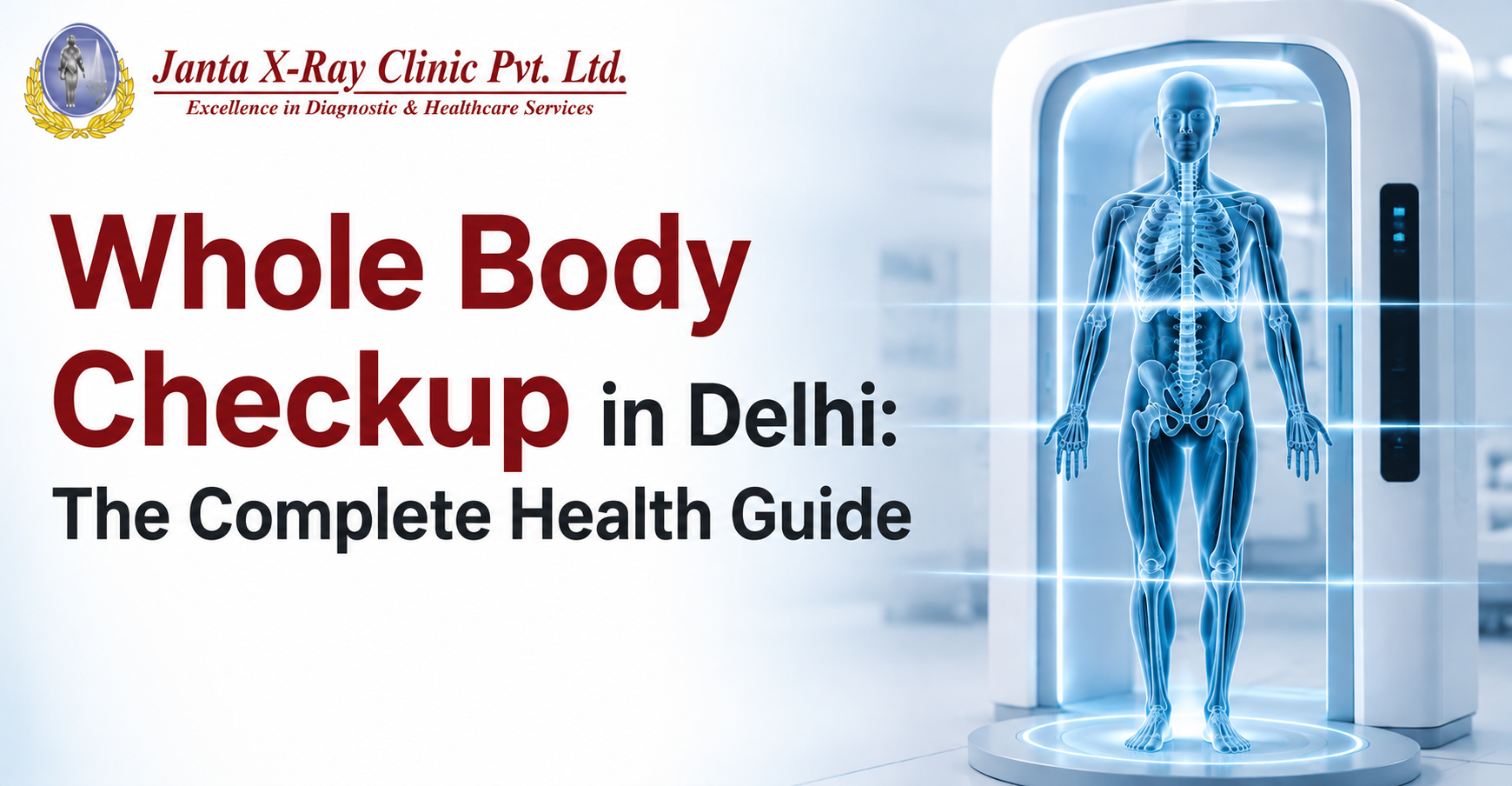
In today's fast-paced world, health often takes a backseat until something goes wrong. But what if you could catch potential health issues before they become serious? That's the purpose of a whole body checkup, a comprehensive health assessment that gives you a clear picture of your well-being and helps you take charge of your health before problems escalate.
At Janta X-Ray, we believe prevention is always better than cure. This guide walks you through what a whole body checkup involves, why it matters, and how to decide if it's time to schedule one.
What Is a Whole Body Checkup?
A whole body checkup is a thorough medical evaluation that examines multiple systems of your body through a series of tests, screenings, and assessments. It combines blood work that reveals your internal health markers with imaging tests that provide a visual look at your organs and bones giving you a full-spectrum view of where you stand.
Many serious conditions like diabetes, heart disease, and cancer develop silently, often showing no obvious symptoms until they have progressed significantly. A comprehensive checkup helps identify these risks early, giving you the opportunity to act while treatment is most effective.
What's Included in a Whole Body Checkup?
A well-designed checkup covers a wide range of evaluations. While the exact package can vary, here are the core components you can typically expect.
Physical Examination by a Doctor
Every checkup starts with a consultation. A qualified doctor reviews your medical history, lifestyle habits, and any specific concerns you bring to the table. This hands-on assessment can reveal signs from heart murmurs to joint discomfort that lab results alone may not capture. At Janta X-Ray, our doctors take the time to understand your background and what you hope to gain from the checkup.
Blood Tests
Blood work is one of the most informative parts of any health assessment. A whole body checkup typically includes several blood tests that act as early warning systems for a variety of conditions:
- Complete Blood Count (CBC): Assesses your overall health and can detect anemia, infections, and other blood-related disorders.
- Fasting Blood Sugar: Screens for diabetes and prediabetes by measuring your blood glucose after fasting.
- Lipid Profile: Checks your cholesterol and triglyceride levels, which are key indicators of heart disease risk.
- Liver Function Test: Evaluates how well your liver is working and can identify problems such as fatty liver or hepatitis.
Urine Analysis
A urine test may seem simple, but it provides a surprising amount of insight. It helps detect urinary tract infections, kidney problems, and diabetes, while also giving a sense of your hydration levels and the health of your bladder and kidneys.
Imaging Tests
Sometimes you need to look beneath the surface. Imaging technology offers detailed views of your internal structures that a physical exam or lab test cannot provide:
- X-Rays: Useful for spotting fractures, joint problems, and lung conditions.
- Ultrasound: A non-invasive way to examine organs like the liver, kidneys, and bladder without radiation.
- CT Scan: Produces detailed cross-sectional images that can reveal tumors, bone issues, and organ abnormalities.
At Janta X-Ray, we use modern imaging equipment to deliver high-quality results that support accurate early detection and diagnosis.
Cardiac Health Assessments
Heart disease continues to be one of the most common health concerns, so evaluating your cardiovascular system is an important part of a comprehensive checkup. Relevant tests may include:
- Electrocardiogram (ECG): Records the electrical activity of your heart to identify arrhythmias or signs of a past heart attack.
- Echocardiogram: An ultrasound of the heart that examines its structure and how well it is functioning.
- Stress Test: Monitors your heart's performance while you exercise, revealing how it responds to physical exertion.
Lung Function Tests
If you have breathing difficulties or want to check your respiratory health, lung function tests measure how effectively your lungs are working. These tests can help diagnose conditions like asthma, chronic obstructive pulmonary disease (COPD), and various lung infections, allowing for earlier treatment.
Cancer Screenings
Early detection makes a significant difference in cancer outcomes. Depending on your age and risk factors, screenings may include mammograms for breast cancer, Pap smears for cervical cancer, PSA tests for prostate cancer in men, and colon cancer screening through colonoscopy or stool tests. These are especially relevant for individuals over 40 or those with a family history of cancer.
Bone Health Assessment
Bone health is easy to overlook, yet it plays a major role in your long-term mobility and quality of life. A bone density test can reveal osteoporosis or early bone thinning before a fracture occurs, and X-rays can identify fractures or deformities you may not be aware of.
Eye and Hearing Tests
Your vision and hearing deserve regular attention. Vision tests check for refractive errors, cataracts, and glaucoma, while hearing tests detect early signs of impairment. Addressing these issues early can prevent them from interfering with your daily life.
Skin Cancer Screening
Skin cancer is among the most common cancers, and it is highly treatable when caught early. A dermatologist examines your skin for suspicious moles or changes in appearance that could indicate a problem.
Thyroid Function Test
Thyroid disorders are common and can affect your metabolism, energy, and mood. Testing for thyroid function helps identify conditions like hypothyroidism or hyperthyroidism, both of which can be managed effectively once diagnosed.
Vaccinations and Immunizations
Staying current with vaccinations protects you from preventable infections such as flu, pneumonia, and hepatitis. During a checkup, your doctor can review your vaccination history and recommend any updates you may need.
Lifestyle Assessment
Health is not just about test results, it is also about your daily habits. Your doctor will look at factors like your diet, exercise routine, stress levels, and sleep quality, then offer guidance on making changes that can lower your risk of obesity, heart disease, diabetes, and other lifestyle-related conditions.
Why Get a Whole Body Checkup?
There are several practical reasons to make a checkup part of your healthcare routine:
- Early detection leads to better outcomes. Identifying a health issue in its early stages typically means more treatment options and a higher chance of successful management.
- It provides peace of mind. Knowing where you stand removes the uncertainty and anxiety that can come from wondering about your health.
- You receive a personalized health plan. Your results give your doctor the information needed to recommend specific lifestyle changes, medications, or follow-up tests tailored to you.
- It offers broad coverage. With multiple tests and screenings included, a whole body checkup reduces the chance that something important gets missed.
How Often Should You Have a Checkup?
The right frequency depends on your age, medical history, and overall lifestyle. Here is a general reference point:
- If you are under 40 and in good health, a checkup every one to two years is usually sufficient.
- If you are over 40, annual checkups are often recommended.
- If you have existing health conditions or a family history of certain diseases, your doctor may advise more frequent visits.
Your doctor can help you figure out a schedule that makes sense for your individual situation.
Taking the Next Step
A whole body checkup is more than just a list of tests; it is a proactive step toward understanding your body and making informed decisions about your health. By catching potential issues early and getting clear guidance on what to do next, you set yourself up for a longer, healthier life.
At Janta X-Ray, we are committed to making that process straightforward and comfortable. With advanced diagnostic technology and experienced medical professionals, we offer the comprehensive services you need to stay on top of your health.
If you are ready to prioritize your well-being, schedule your checkup today and take that first step toward a healthier future.



.jpg)
.png)


.png)


Comments List