
CT Scan Detection of an Infraorbital Blowout Fracture: Understanding the Teardrop Sign
.png)
Facial trauma involving the area around the eyes can sometimes look less serious from the outside, but internally the injury may be more complex. The bones forming the eye socket are delicate and even a moderate impact can cause fractures that are not easily visible during a physical examination. This is where advanced imaging becomes extremely important.
At Janta Xray Clinic, which has been serving patients and doctors across West Delhi since 1978, CT scan imaging continues to play a crucial role in detecting such hidden injuries. In one recent evaluation, a detailed CT scan helped identify an infraorbital blowout fracture through a classic imaging finding known as the “teardrop sign.” The scan was carefully reviewed by Dr. Varun Kumar, who works as an MD Radiologist at Janta X Ray Clinic Pvt. Ltd and has extensive experience interpreting complex radiological cases.
Understanding an Infraorbital Blowout Fracture
An infraorbital blowout fracture occurs when the thin bone forming the floor of the orbit breaks after blunt trauma to the face. This injury is commonly associated with road accidents, sports injuries, falls, or any direct impact around the eye region.
The orbital floor separates the eye socket from the maxillary sinus located just beneath it. Because this bone is relatively thin, sudden pressure inside the orbit during trauma can cause it to crack or break. When that happens, the soft tissues inside the orbit, including orbital fat and sometimes the inferior rectus muscle, may slip downward into the sinus cavity.
Patients with this type of fracture may experience swelling around the eye, double vision, pain while moving the eye, or difficulty looking upward. In some cases the symptoms are subtle, which is why imaging becomes the key to accurate diagnosis.
Why CT Scan Plays a Critical Role
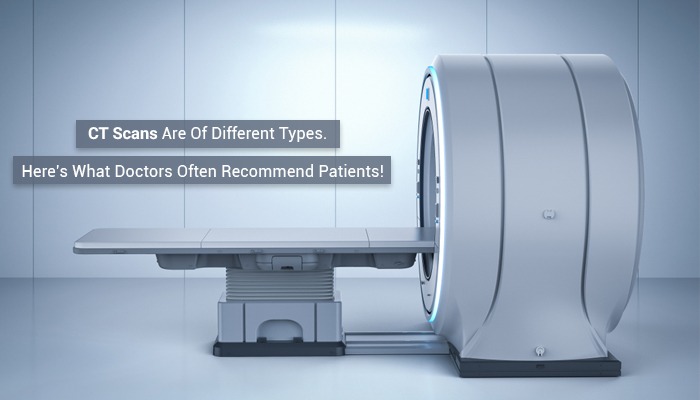
CT scan is widely considered the most reliable imaging method for evaluating orbital fractures. It provides clear visualization of both bone structures and surrounding soft tissues, allowing radiologists to assess the extent of the injury in detail.
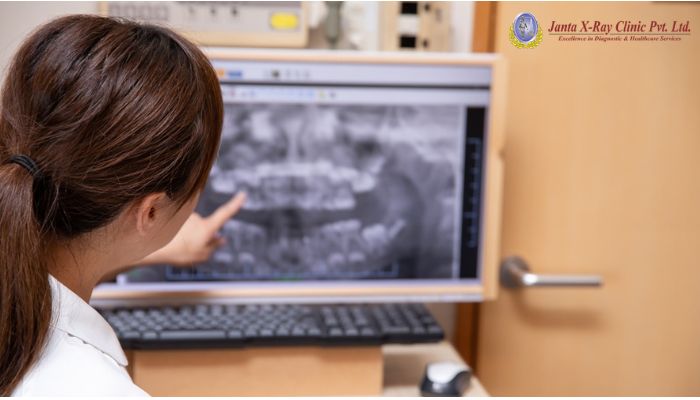
At Janta Xray Clinic, CT scans are examined using multiplanar reconstruction and advanced 3D visualization techniques. These tools allow radiologists to study the fracture from multiple angles and evaluate any asymmetry within the orbit. Such detailed imaging also helps surgeons plan treatment if surgical repair becomes necessary.
The Teardrop Sign on CT Imaging
One of the most important radiological indicators of an orbital floor fracture is known as the teardrop sign. On CT images, this sign appears when orbital fat or the inferior rectus muscle protrudes through the fractured orbital floor into the maxillary sinus. The displaced tissue forms a small droplet shaped shadow that resembles a teardrop.
The presence of this sign is clinically significant because it suggests that orbital contents have herniated through the fracture. In some cases the muscle may become partially trapped, which can interfere with normal eye movement. Identifying this feature early helps doctors determine whether surgical correction may be required.
Predicting the Risk of Late Enophthalmos
Radiologists also evaluate certain CT measurements to estimate the possibility of late enophthalmos, a condition where the eye gradually appears sunken due to increased orbital volume after a fracture.
Some imaging findings that may predict this complication include a fracture area measuring two square centimeters or more, involvement of twenty five to fifty percent of the medial or inferior orbital wall, collapse of the internal orbital buttress, or soft tissue herniation greater than 1.5 milliliters.
Research suggests that each milliliter of orbital volume displacement may correspond to roughly 0.9 milliliters of enophthalmos. Careful CT evaluation therefore plays an important role in guiding treatment decisions.
Importance of Timely Imaging
Early diagnosis of orbital fractures can prevent long term complications affecting vision, eye movement, and facial symmetry. With modern CT imaging and experienced radiological interpretation, conditions like infraorbital blowout fractures can be identified quickly and accurately.
With more than four decades of diagnostic experience, Janta Xray Clinic continues to support clinicians with precise imaging and reliable reporting. Careful evaluations by specialists such as Dr. Varun Kumar ensure that important findings like the teardrop sign are recognized early, allowing patients to receive the right care at the right time.


.png)



.png)
.jpg)
.jpg)
Comments List