
Tuberous Sclerosis Complex: Why One Diagnosis Often Involves Multiple Organs
.jpg)
Tuberous Sclerosis Complex, commonly known as TSC, is a rare genetic disorder that can affect the brain, skin, kidneys, heart, lungs, eyes, and several other organs. Although the condition is uncommon, its impact can be far reaching because it causes the growth of multiple benign tumors throughout the body.
For many families, the diagnosis begins with symptoms such as seizures, developmental concerns, unusual skin findings, or abnormalities detected during imaging studies. For clinicians, TSC presents a unique challenge because no two patients are exactly alike. The severity and organ involvement can vary significantly, even among members of the same family.
Traditionally, TSC has been associated with the Vogt triad, which includes seizures, intellectual disability, and facial angiofibromas. However, modern understanding of the disease has shown that patients may present with only a few features or develop new manifestations over time.

"Tuberous Sclerosis Complex is not a disease of a single organ. It is a lifelong condition that demands careful radiological surveillance because the most clinically significant findings are often discovered beyond the patient's presenting symptom. Imaging helps us understand the true extent of the disease and guides long term management."
Dr. Varun Kumar, MD Radiology
Janta X Ray Clinic Pvt. Ltd.
How Tuberous Sclerosis Affects Different Organs
The skin is frequently the first site where signs become visible. Patients may develop hypomelanotic macules, facial angiofibromas, shagreen patches, fibrous plaques, or nail fibromas. While these findings are usually not life threatening, they often provide important clues that lead to diagnosis.
Neurological involvement remains one of the most significant aspects of TSC. Seizures occur in a large proportion of patients and may be associated with developmental delays or cognitive impairment. Imaging often reveals cortical tubers, subependymal nodules, or in some cases, subependymal giant cell astrocytomas. These findings highlight the central role of MRI and neuroimaging in patient evaluation.
Kidney involvement is also common. Renal angiomyolipomas and cysts may remain asymptomatic for years but can eventually cause pain, bleeding, or reduced kidney function. Regular monitoring is therefore essential, especially when lesions increase in size.
Cardiac rhabdomyomas are often identified during prenatal or early childhood imaging. Although many regress naturally over time, they remain an important part of the disease spectrum.
In adults, particularly women, lung involvement may occur in the form of lymphangioleiomyomatosis. This condition can affect breathing and, in some cases, become a major contributor to long term complications. CT imaging plays an important role in identifying lung changes before significant symptoms develop.

The Importance of Imaging in Long Term Care
TSC is not a condition that can be fully assessed through symptoms alone. A patient may feel well while significant changes are occurring in the kidneys, lungs, or brain. This is why imaging forms the backbone of long term disease monitoring.
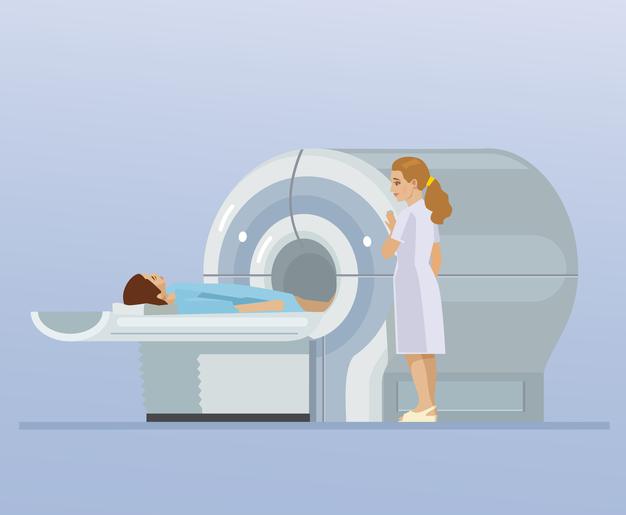
MRI, CT, ultrasound, and echocardiography each contribute valuable information depending on the organ involved. For radiologists and treating physicians, serial imaging helps identify disease progression, monitor known lesions, and detect complications that may require intervention.
For patients and families, understanding the multi organ nature of TSC is equally important. Consistent follow up allows healthcare teams to make informed decisions and support better long term outcomes through timely management.

FAQs About Tuberous Sclerosis Complex
1. Is Tuberous Sclerosis a cancer?
No. The tumors associated with TSC are generally benign. However, their location and growth can sometimes affect organ function and require treatment.
2. Which imaging test is most useful in TSC?
There is no single imaging test for all patients. MRI is particularly valuable for brain evaluation, while CT and ultrasound may be used for lung and kidney assessment.
3. Can TSC be diagnosed in adulthood?
Yes. Some individuals have mild disease and remain undiagnosed until adulthood when imaging reveals characteristic findings.
4. Why are kidney scans important in TSC?
Renal angiomyolipomas are common and may enlarge over time. Monitoring helps reduce the risk of bleeding and kidney related complications.
5. Does every patient with TSC develop seizures?
No, but seizures are among the most common manifestations and often represent the earliest clinical sign.
6. Can imaging detect complications before symptoms appear?
Yes. Many important findings in TSC, particularly in the kidneys, lungs, and brain, may be identified on imaging before a patient develops noticeable symptoms.


1.png)


.png)


1.jpg)
.png)
Comments List